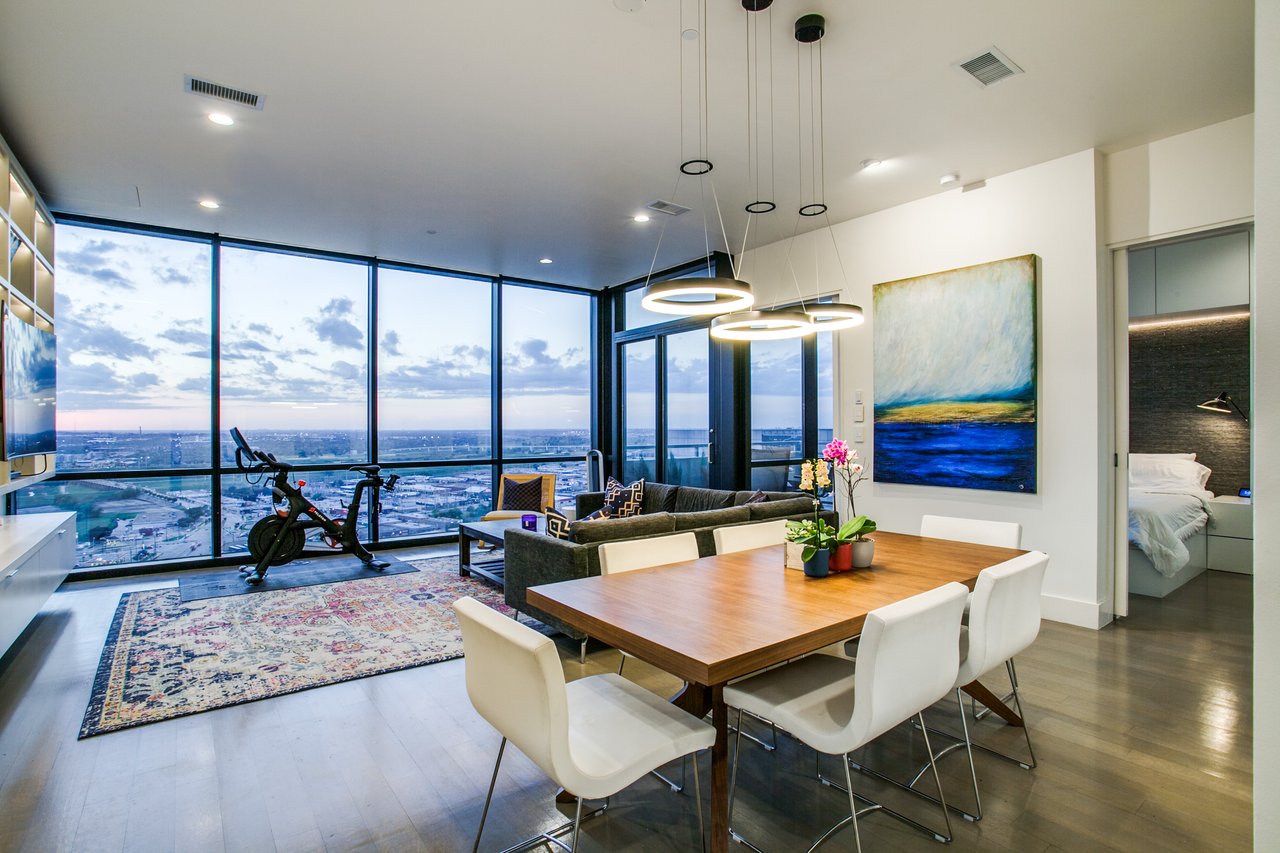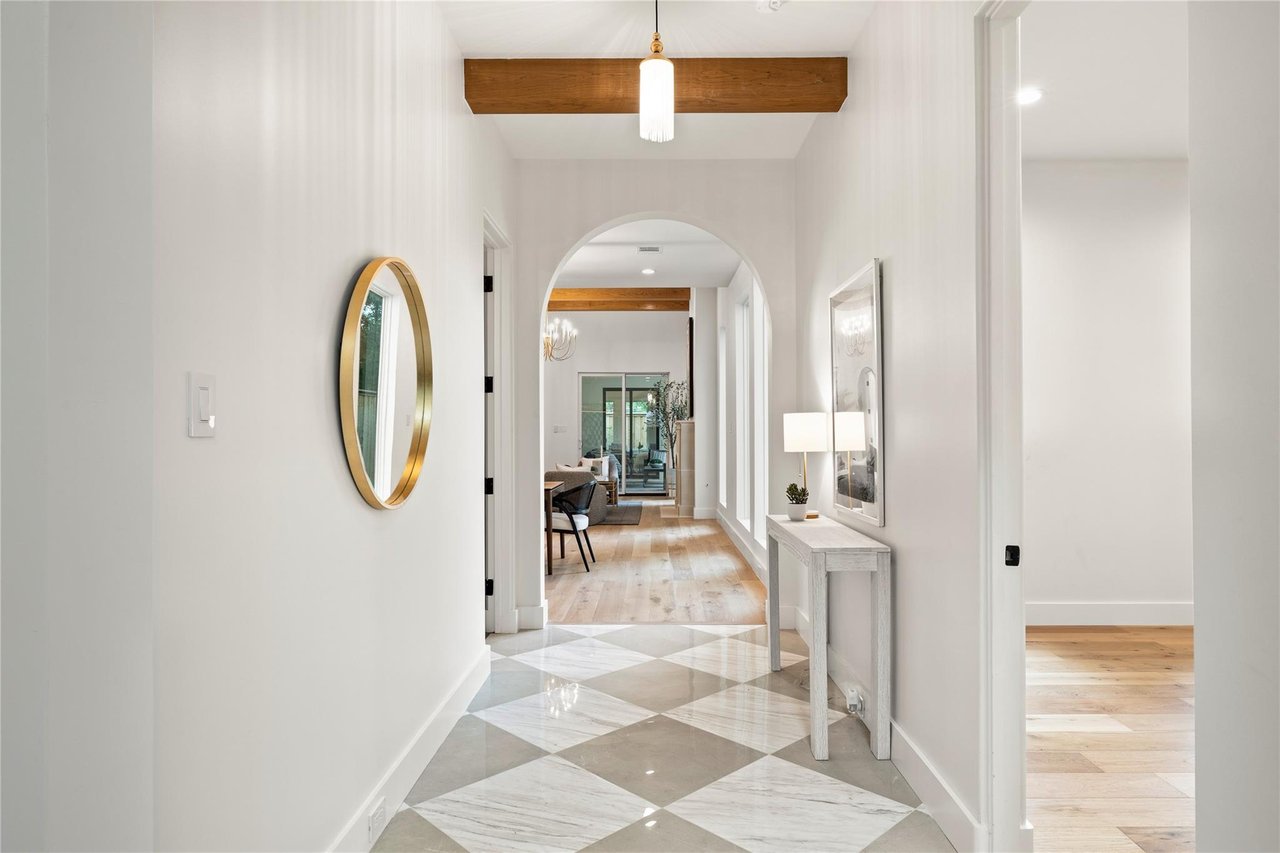
Bluffview is a good place to buy a house in Dallas if you want a nearly-central, heavily wooded, low-density pocket of 1930s–50s homes on unusually large lots — and if you have either a private-school plan or a willingness to work the transfer and magnet options. The typical home value was $992,263 as of June 30, 2026, up 2.6% year over year (Zillow Home Value Index).
What does a house in Bluffview actually cost right now?
The honest answer is that Bluffview trades around the million-dollar line, with meaningful spread on either side.
- Typical home value: $992,263, up 2.6% year over year — Zillow Home Value Index, through June 30, 2026
- Median list price: $1,015,000 — Zillow, June 30, 2026
- 132 homes for sale, 27 new listings in the month — Zillow, June 30, 2026
- 55 median days to pending — Zillow, June 30, 2026
- Zooming out to the wider 75209 ZIP code: median list price $1,190,000 across 138 listings — Realtor.com, July 2026
Two things in that list matter more than the headline number. First, 55 days to pending is a normal, negotiable market — not a market where you waive everything on day one. Second, the gap between the $992,263 typical value and the $1,015,000 median list tells you sellers are asking slightly above where the stock actually sits, which is exactly the condition in which inspection findings and appraisal support become live negotiating levers.
We should be plain about what we are not publishing: there is no price-per-square-foot figure for Bluffview from a source we could date with confidence, and the Redfin figures circulating for this neighborhood contradicted each other within a single session. The Agency Dallas would rather answer "is Bluffview a good place to buy a house in Dallas" with four sourced numbers than eight unsourced ones.
Where exactly is Bluffview?
Bluffview sits northwest of downtown, bounded roughly by Northwest Highway on the north, Inwood Road on the east, University Boulevard on the south, and Midway Road / Bluebonnet Lane / Bluff View Boulevard on the west.
The name is literal. Bachman Branch cuts through the neighborhood and the land rises about fifty feet off the creek — genuinely unusual topography for a city that is otherwise flat. That elevation change is why the streets curve instead of running on a grid, why lots are irregular, and why mature tree canopy survived here when it did not survive elsewhere.
What kind of houses are in Bluffview?
The neighborhood was platted out of a 215-acre dairy farm purchased in 1924 by J.P. Stephenson, subdivided into roughly one-acre lots. The Briarwood section followed in the late 1930s. Dallas annexed the area in March 1943. The result is roughly 1,000 homes, most built between the 1930s and the 1950s, on lots that are large by any in-city standard.
What that means for a buyer:
- Original homes are small relative to their lots. A 2,400-square-foot house on a half-acre is common. That ratio is the whole investment case.
- Renovation and replacement are both active. You will see mid-century originals, thoughtful additions, and full new builds on the same block.
- Systems are the diligence item. Homes of this vintage carry original or partially-updated electrical, plumbing, and drainage. Budget for an inspection that includes a sewer scope.
- Trees are an asset and a liability. Mature canopy is the reason people buy here; it is also root intrusion, foundation movement, and real tree-maintenance cost.
What schools serve Bluffview?
This is the section most Bluffview guides skip, so we will be direct.
Bluffview is in Dallas ISD. The published attendance-boundary list we could verify for this area carries a January 5, 2019 revision date, and at least one campus on it has been reported closed since — meaning the boundary information circulating online for Bluffview is not reliable. Confirm your specific address with Dallas ISD directly before you write an offer. Assignment here genuinely varies by block.
What we can state with a current source: the comprehensive high school historically associated with this area, Thomas Jefferson High School, posted 27% math proficiency and 39% reading proficiency in the TEA 2024-25 accountability cycle, with a roughly 60% graduation rate, and carries a C on Niche. The 2026 TEA cycle was released August 14, 2026, but campus-level grades for it are not yet published — so any 2026 letter grade quoted for a Dallas campus is not yet verifiable.
The counterweights are real:
- Sudie L. Williams Talented and Gifted Academy sits inside the neighborhood.
- K.B. Polk operates a talented-and-gifted program in the area.
- Bluffview is inside a short drive of St. Mark's School of Texas, The Hockaday School, Greenhill School, Episcopal School of Dallas, Jesuit College Prep, and Ursuline Academy — a private-school density matched by almost nowhere else in Texas.
That combination is why the neighborhood holds a million-dollar median despite the comprehensive-school ratings: a large share of buyers here are on a private or magnet track and are buying location, lot, and canopy rather than a school assignment.
How does Bluffview compare to the rest of this batch?
At roughly $992,000, Bluffview sits at the top of the mid-tier — essentially level with Lakewood at about $985,000, well above Kessler Park and Lake Highlands, and well below Preston Hollow. Against Lakewood specifically, the trade is straightforward: Lakewood buys you a strong elementary assignment and a conservation district; Bluffview buys you a bigger lot, more privacy, and fewer exterior restrictions.
Who is Bluffview a good fit for — and who should look elsewhere?
Good fit:
- Buyers on a private-school or magnet track who want acreage-feel lots without leaving the city
- Renovation buyers who want a large lot with an underbuilt house on it
- Anyone whose daily commute runs to Preston Center, the Design District, Love Field, or downtown
Look elsewhere if:
- A strong neighborhood-assigned comprehensive high school is non-negotiable — Lake Highlands (mostly Richardson ISD) or Lakewood answer that better
- You want a walkable commercial district at the end of the block; Bluffview is residential and quiet by design
- You want turnkey. Most inventory here needs something.
The short version The Agency Dallas gives buyers asking whether Bluffview is a good place to buy a house in Dallas: yes, if you are buying the land and the canopy and you have a school plan. If you are buying a school assignment, your money works harder somewhere else in this batch.
FAQ
Is Bluffview expensive compared to the rest of Dallas?
Yes. The typical Bluffview home value was $992,263 as of June 30, 2026 (Zillow), against a Dallas median well under that. The premium is paid for lot size, mature tree canopy, low density, and a location roughly fifteen minutes from downtown, Preston Center, and Love Field.
What school district is Bluffview in?
Dallas ISD. Campus assignment varies block to block, and the boundary documentation we could verify for this area carries a January 2019 revision date with at least one campus since reported closed. Confirm your exact address with Dallas ISD before writing an offer rather than relying on any portal's school panel.
Are Bluffview homes old?
Most were built between the 1930s and the 1950s, on lots platted from a 215-acre farm purchased in 1924. Expect original or partially updated systems. A full inspection with a sewer scope and a foundation opinion is standard practice here, not an excess of caution.
How long do homes in Bluffview take to sell?
Median days to pending was 55 as of June 30, 2026 (Zillow), with 132 homes listed and 27 new listings that month. That is a negotiable market — buyers generally have room for an option period, an inspection, and a repair conversation.
Is Bluffview in Dallas or Highland Park?
Dallas. Bluffview was annexed by the City of Dallas in March 1943. Highland Park and University Park are separate incorporated towns with their own school district and their own tax and price structure.
The Agency Dallas is a licensed Texas real estate brokerage. Information is provided for general educational purposes and is not legal, tax, or financial advice. Market data cited is from the sources and dates noted; school accountability ratings are from the Texas Education Agency 2024-25 accountability cycle unless otherwise stated. School attendance boundaries change and vary by address — verify directly with the district. Equal Housing Opportunity.