A newly signed or traded athlete in Dallas should usually rent first and buy later. A furnished lease near the team facility gets the player settled in days, keeps them flexible if the roster changes, and gives the family a season to learn the area before committing. Buying right away makes sense when the contract is long, the family is already sure where it wants to live, or the purchase is part of a long-term plan to stay in North Texas.
The decision turns on contract length, family plans and how certain the next two to three years are. The Agency Dallas works through this question with players, coaches and their business managers in our TAD Private Client: Sports & Entertainment division, and the framework below is the one we use.
This article is general information, not financial or tax advice. Your business manager and CPA should weigh in before you commit.
What should a player do in the first two weeks after a trade or signing?
The first two weeks are about logistics, not long-term decisions. The calls that matter most:
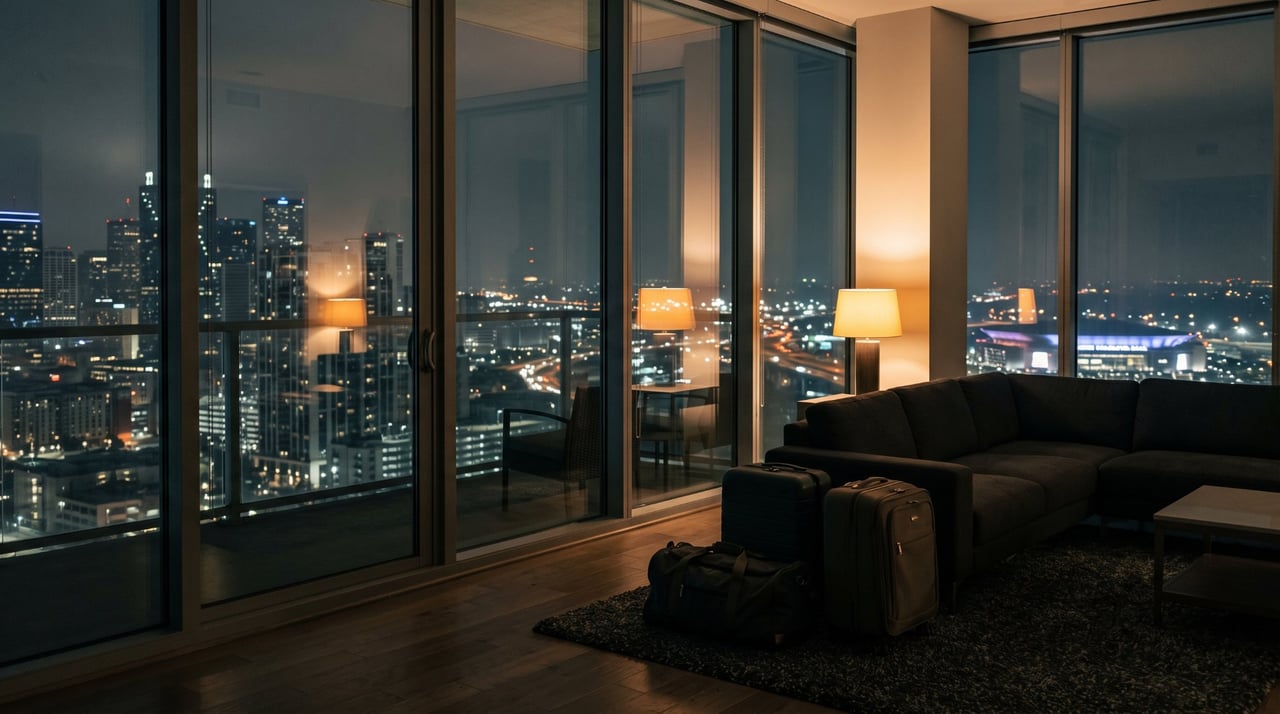
- Secure a furnished landing spot. A furnished high-rise unit or executive home lease near the facility, ideally available within days.
- Map the commute. North Texas is large. A daily drive from Frisco to Arlington can run well over an hour at rush hour, so the lease should follow the facility, not a neighborhood's reputation.
- Plan for the family. If children are coming, school enrollment timing drives everything. Our guide to enrolling mid-year in Dallas covers public options, and our Dallas private schools guide covers the private side.
- Handle the home you are leaving. If there is a house in the prior market, decide whether to sell, lease or hold it. We coordinate with Agency offices in other markets when that is useful.
When does renting make more sense than buying in Dallas?
Renting usually wins in these situations:
- The contract is short or uncertain. One-year deals, two-way contracts, and players who could be traded again before a home pays back its buying and selling costs.
- The family has not chosen a neighborhood. A season in a lease is the best research a family can do.
- The move happened mid-season. There is rarely time to tour, negotiate and close well while also learning a new playbook.
- Privacy has not been set up yet. If the attorney has not formed an LLC or trust, renting buys time to do that properly. Our article on how athletes buy homes privately in Texas explains why the structure should come before the offer.
Buying and then selling a home within a short window is expensive. Between agent commissions, title costs, moving and carrying costs, transaction friction on a quick resale can easily eat any appreciation. Our breakdown of what it costs to sell a house in Dallas shows how those costs add up.
When does buying a home in Dallas make sense for an athlete?
Buying tends to make sense when:
- The contract runs three years or more, or the player is a veteran who plans to stay in North Texas after retirement.
- The family wants roots, such as a school, a church community or proximity to relatives.
- Texas residency matters to the financial plan. Texas has no state personal income tax, a point written into the Texas Constitution, and many advisors want a client's primary home to clearly be in Texas. Note that athletes still owe other states' income tax on games played there, so residency is a planning question for the CPA, not a simple switch. Our article on Texas property taxes versus state income tax covers the trade-off homeowners make here.
- The home is part of a portfolio. Some clients buy a city home plus land or a ranch through our Land & Ranch Division as a long-term hold.
How do Texas property taxes change the rent-or-buy math?
Property taxes are the biggest recurring cost of owning in Texas, and they are higher than many players coming from other states expect. The offsets are a primary-residence homestead exemption, which for school district taxes rose to $140,000 after voters approved a constitutional amendment in November 2025, and a cap on how much the taxable value of a homestead can rise each year. Neither applies to a home the player does not live in as a primary residence, so a "buy it and rent it out after a trade" plan should be run with non-homestead taxes in mind.
What does a furnished lease near a Dallas team facility look like?
Leases for newly signed players usually fall into three types:
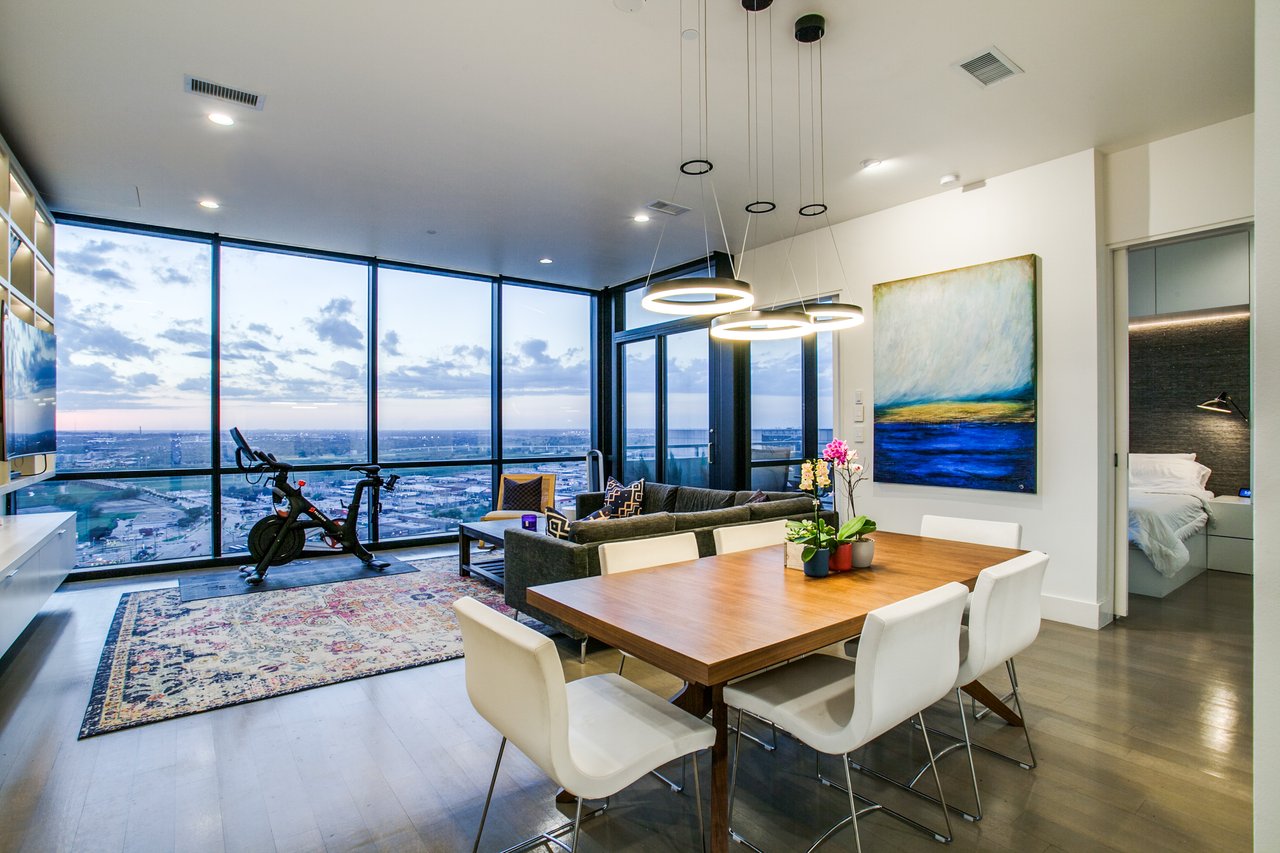
- Furnished high-rise units in Uptown, Victory Park and Downtown, close to the American Airlines Center. Building staff, garages and controlled access help with privacy. See our overview of Dallas high-rise condos.
- Executive single-family leases in Frisco and Prosper for players at The Star or the Frisco facilities, often in gated or guard-staffed communities. Our Frisco guide covers the area.
- Leases between facilities, such as Las Colinas or Southlake, for families balancing more than one commute or school.
Our earlier piece on renting short term before buying when you relocate walks through lease terms in more detail.
How does The Agency Dallas help newly signed players?
The Agency Dallas treats a trade or signing as a two-phase move. Phase one is a quiet, fast landing: a furnished lease, privately arranged showings and NDAs from everyone involved. Phase two, once the season settles, is a purchase plan built around the contract, the family and the financial advisors. Our TAD Private Client: Sports & Entertainment team stays the single point of contact for both, and for the sale or lease of the home in the prior city through Agency offices in other markets.
For more in this series, read where professional athletes live in Dallas-Fort Worth and how a business manager should choose an agent for an athlete, or see our relocation division for families moving to North Texas for other reasons.
Frequently asked questions
How fast can a traded player move into a home in Dallas?
A furnished lease can often be arranged within a few days of a trade, depending on the season and the area. Furnished high-rise units in Uptown and Victory Park and executive homes in Frisco tend to be the fastest options. Buying takes longer, since a standard Texas purchase usually closes in 30 to 45 days, and a cash purchase can close faster.
Should an athlete on a one-year contract buy a house?
Usually not. Buying and reselling within a year often costs more in commissions, title fees, moving and carrying costs than the home gains in value. A one-year contract is the classic case for a quality furnished lease. The exception is a player who already plans to live in North Texas long term regardless of where the next contract lands.
Does Texas have a state income tax for athletes?
Texas has no state personal income tax, and the Texas Constitution prohibits one. Athletes based in Texas still owe income tax to other states for games played there, often called the jock tax, so a Texas home does not erase all state tax. A CPA should advise on residency, since the answer depends on the full schedule and contract.
Can a player rent out the Dallas home if they are traded?
Yes, and some players do. Once the home is no longer the primary residence, the homestead exemption and homestead appraisal cap no longer apply, so property taxes typically rise. A property manager, insurance changes and rental income reporting also come into play. Run the numbers as an investment property before buying with that plan in mind.
Can you help sell the home in the city I am leaving?
Yes. The Agency has offices in other major markets, and we can refer a client to a trusted agent there and stay involved so nothing falls through between cities. That lets one team coordinate the timing of the sale or lease in the old market with the landing in Dallas-Fort Worth.