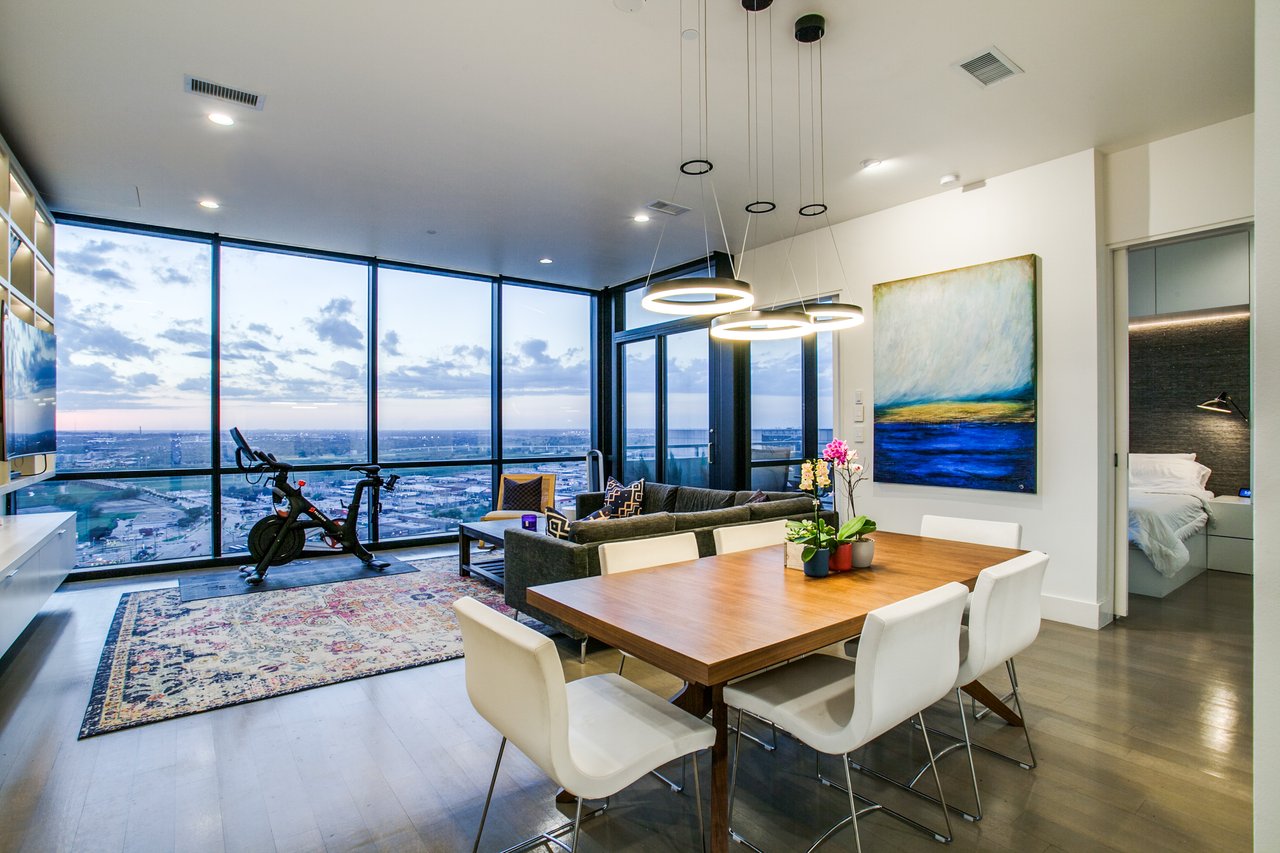
To make your home stand out online, invest in professional photography, choose a lead photo that earns the click, add a floor plan, use video only where it shows something photos cannot, write a specific and accurate description, and launch everything complete on day one. Buyers judge a listing in seconds, so the presentation has to be finished before it goes live.
The data on how buyers search backs this up. The National Association of Realtors 2025 Profile of Home Buyers and Sellers, released November 4, 2025 and covering purchases from July 2024 through June 2025, found that 52% of buyers found the home they bought online, and 46% said their first step was looking online at properties for sale. Among website features, 81% of buyers rated photos very useful, 77% rated detailed property information very useful, and 57% said the same about floor plans. Virtual tours were rated very useful by 38%.
In other words, for most buyers the online listing is the first showing. Here is how our agents at The Agency Dallas approach making a home stand out online, piece by piece.
Why does the online listing matter so much?
Because that is where the shortlist gets made. The same NAR report found buyers searched for a median of 10 weeks, and every buyer in the survey used the internet at some point. Over those weeks, buyers scroll past hundreds of thumbnails. A listing either earns a click, a save, and a showing request, or it disappears into the feed.
The online listing also sets expectations. If photos are dark or the description is vague, buyers who do visit arrive skeptical. If the presentation is accurate and complete, the showing confirms what they already believed.
What makes listing photos stand out?
Professional photography is the foundation, because photos are the feature buyers value most. What separates strong listing photos from average ones is mostly preparation and judgment, not equipment.
How should I prepare the house for photos?
- Declutter every surface. Counters, nightstands, and bathroom vanities should be nearly bare.
- Open window coverings and turn on every light. Mixed light sources are corrected in editing, but a dark room stays dark.
- Remove personal items. Family photos, mail, pet bowls, and toiletries pull attention from the room.
- Stage the key rooms. Living room, kitchen, primary bedroom, and outdoor living area matter most. Our 5 staging tips for Dallas-Fort Worth homes go deeper.
- Finish exterior work first. The yard and facade usually anchor the lead image, so schedule photos after landscaping is done. Our post on getting your yard ready to sell this fall covers timing.
What should a good photo set include?
Coverage should follow the way a buyer would walk the house, with enough images that nothing feels hidden. Wide shots establish each room; a few detail shots show materials and craftsmanship. Rooms that are left out invite questions. Editing should correct exposure and color and never alter permanent features like views, power lines, or the condition of a roof.
How do I choose the right first photo?
The lead photo does more work than any other image, since it is the only one most buyers see in search results. We choose it deliberately rather than defaulting to a straight-on front elevation.
Ask three questions:
- What is the single strongest reason someone would buy this house? It might be the facade, a dramatic great room, a pool and backyard, or a view. Lead with that.
- Does it read clearly as a small thumbnail? Busy compositions and dark interiors lose detail on a phone screen. Simple, bright, well-composed images win.
- Is the light flattering? Some homes look best in morning light, others at dusk. A twilight exterior can make a home with good landscape lighting and warm interiors stand out in a feed of midday shots.
The second through fifth photos matter almost as much, since they show up first when someone opens the listing or swipes through the gallery. They should answer the buyer's next questions: what is the kitchen like, where do we gather, and what is outside.
Do floor plans and video actually help?
Why should I include a floor plan?
Floor plans are one of the most underused tools in a listing. With 57% of buyers in NAR's 2025 report rating them very useful, they belong in almost every listing. A floor plan answers questions photos cannot: how rooms connect, where the bedrooms sit relative to each other, and whether the layout works for a family, a home office, or guests. It also filters showings in a helpful way, since buyers who request a tour after studying the plan are usually more serious. Make sure any square footage shown on a plan is labeled as approximate and matches the source your agent uses for the listing.
When is video or a virtual tour worth it?
Video earns its place when it shows something stills cannot: flow through a large or unusual floor plan, the relationship between indoor and outdoor spaces, a view, or acreage. Aerial footage helps with lot size, setting, and land. Anyone flying a drone for a commercial listing must follow FAA Part 107 rules, which include holding a Remote Pilot Certificate, so confirm your photographer is certified. Interactive 3D tours help out-of-town buyers and those comparing many homes, though NAR's data suggests they are a supplement to great photos, not a substitute.
Keep video short, honest, and well paced. A long tour of every closet is less effective than a tight walkthrough of the spaces that matter.
How should I write the listing description?
Strong descriptions are specific, accurate, and easy to scan. Since 77% of buyers in the NAR report rated detailed property information very useful, the description and the data fields behind it deserve as much care as the photos.
- Lead with what is distinctive. Architect, lot, recent renovation, school district, or a feature buyers cannot find nearby.
- Use facts instead of adjectives. "Kitchen renovated in 2024 with a 48-inch range and walk-in pantry" tells a buyer more than "stunning chef's kitchen."
- Name updates with dates. Roof, HVAC, windows, and foundation work matter to buyers and their lenders.
- Keep it accurate. Every claim should be supportable, and descriptions should describe the property rather than the kind of person who should live there. Texas sellers also have separate disclosure duties; see what disclosures Texas home sellers have to make, and ask your attorney if you have questions.
- Complete every data field. Search filters run on structured fields. A missing pool, guest suite, or garage count can keep your home out of a buyer's results.
When is the best time to launch a listing online?
Launch when the listing is complete. That means every photo edited, the floor plan uploaded, the description final, and data fields checked. A listing that goes live with placeholder images or missing rooms makes a weaker first impression, and that early window is when the most buyers see it as new.
Beyond that, timing is about aligning the launch with buyer attention. Many sellers prefer to go live ahead of a weekend so the home is fresh when buyers plan showings, and to have an open house or broker preview on the calendar for the first days. The right timing for your home depends on the season and local inventory; our post on whether to sell in the fall or wait for spring covers the seasonal side, and what marketing to expect from a brokerage selling a luxury home covers the rest of the launch plan.
For sellers working with The Agency Dallas, the online presentation is treated as the first showing, which is why making a home stand out online starts weeks before the listing goes live. Pricing still matters as much as presentation; buyers compare value by area, which is covered in our post on how the Dallas market changes by zip code.
Frequently asked questions
How many listing photos should my home have?
Enough to show every main room and the key outdoor spaces without repeating angles. Smaller homes may need fewer images; larger luxury homes and properties with acreage need more. Your MLS may set a maximum, and your agent will know it. The goal is complete coverage so buyers never wonder what a missing room looks like, with the strongest images placed first.
Is professional photography worth it if my home is already beautiful?
Yes. NAR's 2025 Profile of Home Buyers and Sellers found 81% of buyers rated photos very useful, more than any other website feature. A professional photographer controls light, lens choice, and composition so rooms read accurately and attractively on a small screen. Phone photos often make even well-designed rooms look darker, smaller, or cluttered compared with competing listings.
Should I use virtual staging in my listing photos?
Virtual staging can help buyers picture an empty room, but use it carefully. Label staged images clearly, keep an unstaged version available, and never alter permanent features like flooring, walls, windows, or views. Buyers who feel misled by photos at a showing tend to discount the whole home. Physical staging in key rooms is usually the stronger choice.
What should I avoid in my listing description?
Avoid vague superlatives, claims you cannot support, and language that describes the ideal buyer instead of the property. Skip all-caps and long lists of adjectives. Focus on specific features, dated updates, layout, lot, and location facts. Make sure every statement is accurate, since the description is part of how your home is represented to buyers.
Do 3D tours replace in-person showings?
No. Interactive tours help buyers understand layout and narrow their shortlist, which is especially useful for relocating buyers. NAR's 2025 data shows 38% of buyers rated virtual tours very useful, well below photos and floor plans. Most buyers still want to see the home in person before writing an offer, so think of tours as a supplement.