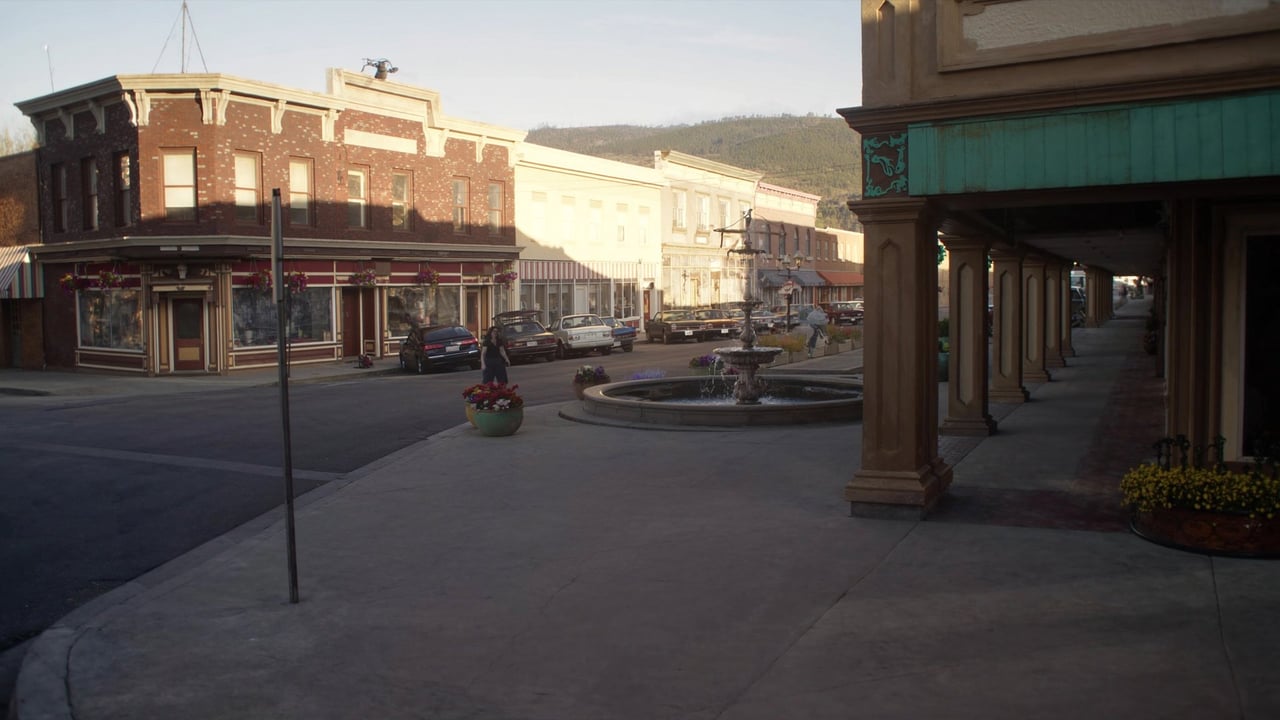
Starting January 1, 2027, Snider Plaza property owners will pay a new assessment to fund off-site parking for the people who work there. University Park approved the public improvement district in May 2026. The goal is simple: move 150 to 200 employee cars out of the plaza and off nearby streets, freeing curb space for shoppers and residents.
What did University Park approve for Snider Plaza?
On May 19, 2026, the University Park City Council approved creating a public improvement district, or PID, to fund off-site parking for Snider Plaza employees, People Newspapers reported the next day. The key terms:
- Boundaries: Snider Plaza properties south of Rankin Street, the city-owned property at 3420 Rankin Avenue and the SMU-owned property at 3330 Daniel Avenue.
- Term: an initial 10 years, from January 1, 2027, through December 31, 2036.
- Assessment: $0.15 per $100 of assessed valuation on property within the district.
- Purpose: off-site parking for an estimated 150 to 200 employees.
- First-year revenue: about $194,000.
Owners of more than half of the land area and more than half of the appraised value in the district signed petitions supporting it. Next steps included appointing a PID board and holding a public hearing on the assessment before September 1.
Why is Snider Plaza parking such a long-running issue?
Snider Plaza is a compact, walkable shopping district with older buildings and limited parking, surrounded by homes and close to SMU. When employees take the closest spaces, there is less room for customers, and overflow can spill onto residential blocks. The city had been funding an employee parking program itself while the PID was being set up. In April 2026 the council voted to keep funding it through year-end, when the PID takes over those costs, People Newspapers reported.
What did the city do before the PID?
The council has studied Snider Plaza parking for years, including consultant proposals and debate over paid parking. In April 2026 it extended the existing employee parking program through the end of the month and then voted to keep funding it through year-end, People Newspapers reported. The PID shifts that cost from the city's general budget to the property owners who benefit most directly, a common approach for business districts that need a dedicated, predictable funding source.
Who pays the PID assessment?
The assessment falls on property owners inside the district, not on homeowners elsewhere in University Park. Whether owners pass some of that cost through to tenants depends on individual leases, which is a private matter between landlords and businesses.
What else is changing near Snider Plaza?
A few related projects are moving on the same side of town:
- Scotland Yard baseball field. At the same May 19 meeting, the council approved changes including a restroom building, relocated bullpens, freestanding bleachers, a storage building, revised landscaping on the Douglas Avenue and Lovers Lane frontages, and netting reaching 60 feet above the playing surface.
- Highland Park ISD parking and practice field. In April 2026 the council approved HPISD plans for parking lots and a practice field on district-purchased property, adding 138 spaces, with groundbreaking hoped for as early as June and completion possibly by spring 2027.
- Resident parking enforcement. The city's November 3 tax rate proposal includes a parking enforcement vehicle, two license plate recognition systems and a resident parking district portal.
Taken together, University Park is clearly treating parking as a neighborhood quality-of-life issue rather than just a retail problem.
How does this connect to University Park's transit decisions?
University Park voters chose to stay in DART on May 2, 2026, about 54 percent to 46 percent, People Newspapers reported. That means bus, rail connections, GoLink and paratransit service continue in the city, unlike in neighboring Highland Park, which withdrew. For Snider Plaza workers who do not drive, continued DART service is one piece of the commuting picture. For those who do drive, the PID's off-site parking is the other. Both shape how easy it is to staff the shops and restaurants that residents rely on.
What does this mean for University Park residents and buyers?
Our agents at The Agency Dallas who work University Park often show homes within walking distance of Snider Plaza, and parking comes up more than people might expect. Some practical takeaways:
- Streets near the plaza may feel calmer. If 150 to 200 employee vehicles move off-site, nearby blocks could see less all-day parking.
- Walkability stays the draw. Being able to walk to coffee, dinner or the hardware store is one of the reasons buyers ask about homes near Snider Plaza. Keeping the plaza healthy protects that.
- A 10-year commitment. The PID runs through 2036, which gives buyers some confidence that the approach will not change from year to year.
- Watch the details. Where the off-site lots are and how employees get to work will determine how well this works in practice.
Learn more about the city on our University Park page or our neighborhoods guide.
The Agency Dallas will keep an eye on how the PID performs once it takes effect in January. Snider Plaza has been a gathering place for University Park for generations. A parking plan that keeps it easy to visit is good news for the shops and for the streets around them.
Frequently asked questions
What is the Snider Plaza public improvement district?
It is a special assessment district approved by the University Park City Council on May 19, 2026. Property owners within its boundaries pay $0.15 per $100 of assessed value to fund off-site parking for an estimated 150 to 200 Snider Plaza employees. It runs from January 1, 2027, through December 31, 2036.
Will University Park homeowners pay the Snider Plaza assessment?
Only property owners inside the district boundaries pay it. The district covers Snider Plaza properties south of Rankin Street, a city-owned property at 3420 Rankin Avenue and an SMU-owned property at 3330 Daniel Avenue. Homeowners elsewhere in University Park are not part of the assessment.
How much money will the Snider Plaza PID raise?
The assessment is estimated to raise about $194,000 in its first year, according to People Newspapers. That money is meant to cover off-site parking for Snider Plaza employees. The city funded an employee parking program itself through the end of 2026 while the district was being established.
Why does employee parking matter to nearby residents?
When employees occupy the closest spaces all day, customers circle longer and some parking spills onto residential streets. Moving employee cars to off-site lots is intended to free up spaces in the plaza for shoppers and reduce all-day parking on nearby blocks.
Sources
- People Newspapers: Snider Plaza Public Improvement District Plans Greenlit (May 20, 2026)
- People Newspapers: UP City Council Approves Paratransit Contract (April 23, 2026)
- People Newspapers: Fix Your Typo, UP Council Says (April 8, 2026)
- People Newspapers: UP City Council Calls Nov. 3 Tax Rate Election (August 20, 2026)
- People Newspapers: Election Results (May 2, 2026)