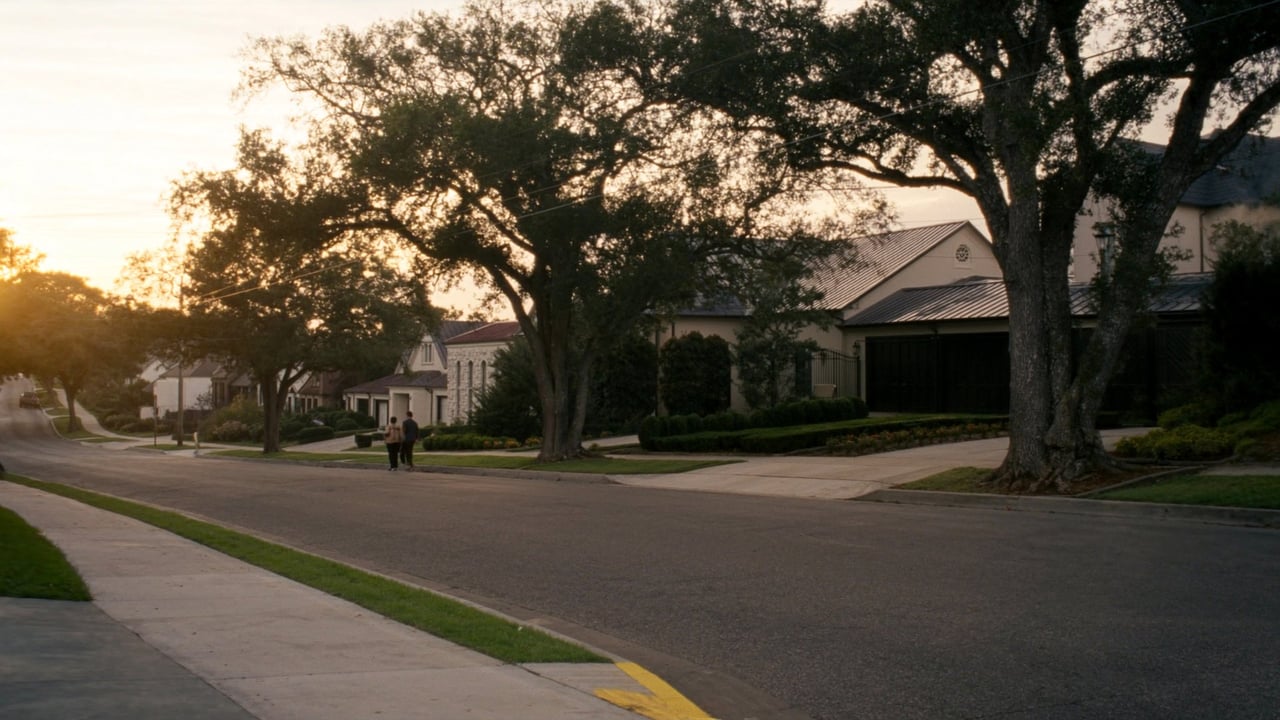
The Town of Westover Hills has a draft fiscal 2027 budget that raises its property tax rate to about 52.8 cents per $100 of value, up from 48.6 cents, at the same time its total taxable value falls 3.7 percent. For the town's 268 single-family homeowners, the draft projects an average town tax bill of roughly $13,661, about $1,073 more than this year.
That combination (a higher rate on a smaller tax base) is unusual for a town this small and this stable, and it says a lot about how property taxes now work in Tarrant County. Below, we walk through what the draft budget shows, why values moved the way they did, and what it means for anyone thinking about buying or selling on the hill.
What does the Westover Hills draft budget actually propose?
The town's combined budget draft for fiscal year 2027, generated in late July 2026 and posted on the town's website, lays out the key numbers. The figures below come from that draft. The final adopted version appears on the Tarrant County Clerk's list of FY27 city budgets filed with the county, and owners should check that document for the confirmed rate.
- Total tax rate: $0.527840 per $100, up from $0.486364 in fiscal 2026, an 8.5 percent increase.
- Operations rate: $0.405000, up from $0.373280.
- Debt rate: $0.122840, up from $0.113084.
- Net taxable value: $697.4 million, down about $27 million from $724.4 million.
- Total tax revenue: about $3.68 million, up 4.3 percent, with roughly $49,000 attributed to new construction.
- Average single-family taxable value: $2,588,176, unchanged from the prior year.
For context, the fiscal 2026 budget the town approved last year had already moved the rate up from 47 cents to about 48.6 cents and raised the average single-family town levy by $961, to $12,588.
Why would the rate rise if home values did not change?
The draft shows the average home value holding flat while the town's total taxable value dropped. A shrinking base means the town needs a higher rate just to collect a similar amount. Add rising costs on the expense side, and the rate climbs further. The draft also notes that projected General Fund cash sits about $109,500 below the town's target operating reserve, which gives the council less room to absorb increases without touching the rate.
Where is the money going?
Westover Hills runs a lean government. Public safety is the largest single line, and capital work on water and infrastructure is the biggest swing item this year.
- Police: The draft police operating budget is about $1.92 million, up 3.1 percent from $1.89 million. The town has its own department, a point of pride for residents.
- Capital improvements: Total capital spending is projected at about $3.08 million, most of it ($2.93 million) through the town's project fund. That money is transferred from the water fund, which the draft shows running well above its reserve target.
- Debt: Property-tax-backed debt stands at $5.2 million as of September 30, 2026, with $735,000 in principal due in fiscal 2027.
- Utilities: Sewer revenue is projected to rise more than 50 percent, to about $505,500, which suggests utility rates or usage assumptions are also moving.
How does this compare with living inside Fort Worth?
Westover Hills is its own municipality, so owners pay the town rate instead of the City of Fort Worth rate. Fort Worth adopted its own fiscal 2027 budget in mid-September 2026 with a rate increase to help close a $94 million gap. Both governments are responding to the same underlying issue: the appraisal roll is not growing the way budgets had assumed. Westover Hills homes still sit in Fort Worth ISD for school taxes, though most families in town send their children to private schools, according to the town's Wikipedia entry.
Why did taxable values fall across the town?
The short answer is the Tarrant Appraisal District's reappraisal schedule and the steady stream of value protests. TAD moved most residential property to a two-year appraisal cycle and held residential market values at 2024 levels, with a 5 percent threshold for typical increases, according to Hoodline's February 2026 report on the plan. Many homeowners will not see a fresh market value until 2027.
In September 2026, The Texan reported that TAD's board adopted another two-year residential plan covering 2027 and 2028, under which residential property is reappraised in odd-numbered years. That means 2027 is the next year when Westover Hills homes are likely to receive new market values.
What happens when the 2027 values arrive?
If market values rise meaningfully in the 2027 reappraisal, the town's no-new-revenue rate could fall, because each penny of rate would raise more money. If values come in flat or protests pull the roll down again, the pressure on the rate continues. Owners who bought in the last two years may see the biggest gap between their purchase price and their frozen appraised value, and those are the households that should plan for the 2027 notice most carefully.
What does this mean for buyers and sellers in Westover Hills?
For buyers, the tax rate is one input among many, and in a town where the average home carries a taxable value above $2.5 million, the dollar change matters less than predictability. Our agents at The Agency Dallas who work west Fort Worth encourage buyers to model taxes on the purchase price rather than the seller's current bill, because a sale can reset the value the appraisal district uses at the next reappraisal.
For sellers, the draft budget is a talking point, not a deal breaker. Here is how it tends to come up:
- Escrow estimates: Lenders will calculate escrow from the current rate and the purchase price. A rate change mid-transaction can shift a buyer's monthly payment.
- Proration at closing: Texas closings prorate the year's taxes. When a new rate is adopted in the fall, the final bill may differ from the estimate used at closing.
- Comparisons with neighboring areas: Buyers weighing Westover Hills against Rivercrest or Crestline will compare the town rate with the Fort Worth city rate. Each has its own trend this year.
The Agency Dallas tracks these budget cycles for clients across North Texas, and you can find our broader regional numbers on our market reports page. If you own in Westover Hills and want a sense of where your home sits relative to its frozen appraisal, a home valuation is a reasonable place to start.
Frequently asked questions
Is the Westover Hills 2027 tax rate final?
The figures here come from the town's draft fiscal 2027 budget dated July 2026. The Tarrant County Clerk lists a Westover Hills FY27 budget among filed city budgets, and that filed document is the best place to confirm the adopted rate. Draft numbers can change between the summer proposal and the September adoption vote, so owners should check the final version.
How much will the average Westover Hills homeowner pay the town?
The draft projects an average single-family town levy of about $13,661 for fiscal 2027, up roughly $1,073 from $12,588. That figure covers only the town's portion. School district, county, hospital district and college district taxes are billed separately and are not included in the town's estimate, so total tax bills will be meaningfully higher.
Why is the total taxable value of Westover Hills going down?
The draft shows net taxable value dropping about 3.7 percent, to roughly $697 million. The Tarrant Appraisal District has held most residential values at 2024 levels under its two-year cycle, and successful protests can lower the roll further. With only 268 single-family homes, small changes in a handful of high-value properties also move the town total.
When will Westover Hills homes be reappraised?
Under the Tarrant Appraisal District's residential plan, most homes are reappraised every two years, in odd-numbered years. The Texan reported in September 2026 that the board adopted a plan covering 2027 and 2028. That makes 2027 the likely year for new market values, with notices typically arriving in the spring.
Do Westover Hills residents pay Fort Worth city taxes?
No. Westover Hills is a separate town with its own council, police department and tax rate, so residents pay the town rate instead of the City of Fort Worth rate. Homes are within Fort Worth ISD for school purposes, and residents also pay Tarrant County and related taxing units, like other homeowners in the county.
Sources
- Town of Westover Hills, FY2027 Combined Budget (draft, July 2026)
- Town of Westover Hills, FY2026 Approved Budget, filed with Tarrant County Clerk
- Tarrant County Clerk, FY27 City Budgets Filed
- Town of Westover Hills, Property Tax Rate
- The Texan, Tarrant Appraisal District Adopts Another Two-Year Residential Reappraisal Cycle (Sept. 8, 2026)
- Hoodline, Tarrant Tax Board Blinks as Schools Rage Over Value Freeze (Feb. 18, 2026)
- Community Impact, Fort Worth Officials Pass $4.35B Budget (Sept. 16, 2026)
- Wikipedia, Westover Hills, Texas