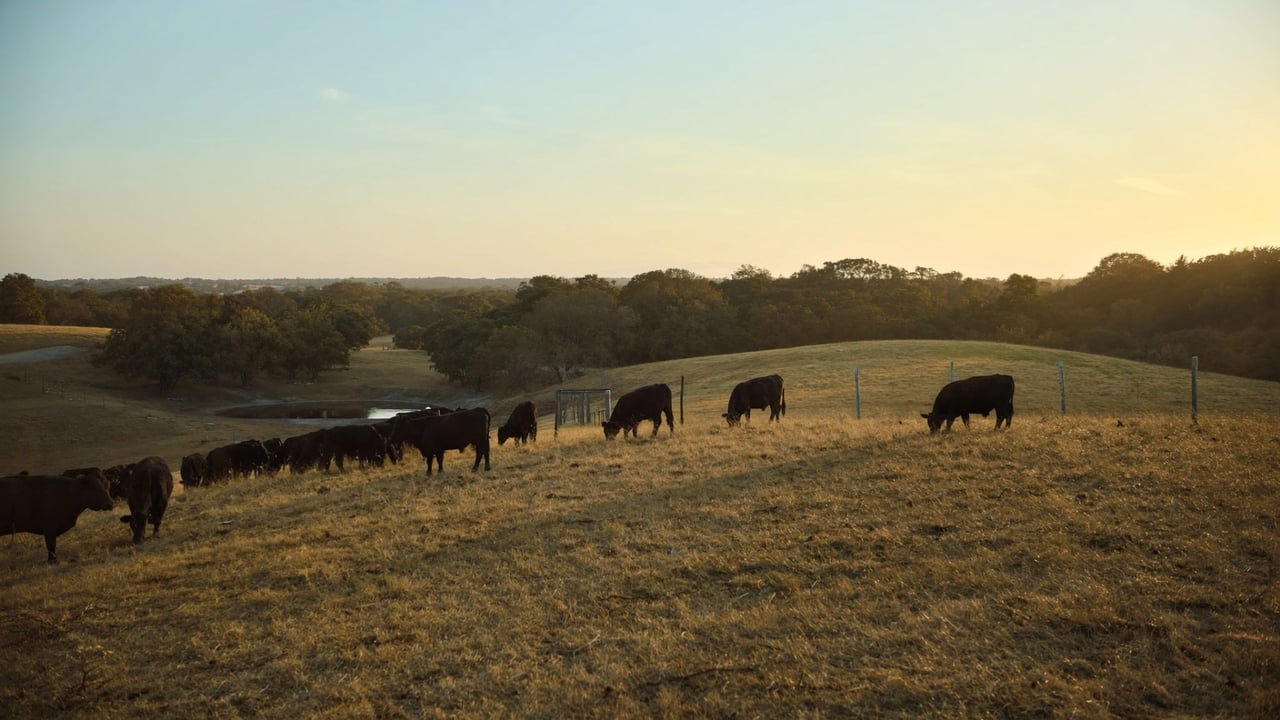
A 1-d-1 "agricultural exemption" is not technically an exemption. It is open-space special appraisal under the Texas Tax Code, which taxes land on its productive agricultural value instead of market value. To qualify, the land must be used principally for agriculture at the intensity typical in your area, with a qualifying history of five of the preceding seven years.
Our agents in the Land and Ranch Division at The Agency Dallas walk buyers through 1-d-1 agricultural valuation on nearly every rural tract, because it often changes the real carrying cost of a property more than any other line item.
What does 1-d-1 actually mean?
The name refers to Section 1-d-1 of Article VIII of the Texas Constitution, the provision behind open-space appraisal. The working rules live in Chapter 23, Subchapter D of the Texas Tax Code.
Section 23.51 of the Tax Code defines "qualified open-space land" as land that is "currently devoted principally to agricultural use to the degree of intensity generally accepted in the area" and that has been devoted principally to agricultural use or timber production for five of the preceding seven years. (Texas Tax Code Sec. 23.51)
The Texas Comptroller's property tax guidance repeats the same three tests: the land must be currently devoted principally to agricultural use, at the degree of intensity generally accepted in the area, and it must have been devoted to agricultural or timber production for at least five of the past seven years. (Texas Comptroller, Agricultural and Timber Exemptions and Special Valuation)
Is 1-d-1 different from 1-d?
Yes. The Comptroller lists separate applications: Form 50-129 for 1-d-1 open-space use and Form 50-165 for 1-d agricultural appraisal. If a seller says the land has ag valuation, ask which one and request the approved application.
How do I qualify for 1-d-1 valuation?
The county appraisal district answers three questions.
- Is agriculture the primary use? The land must be devoted principally to agricultural use.
- Is the use intense enough for the area? Each appraisal district publishes its own standards for what "generally accepted in the area" means, usually expressed as minimum acreage, stocking rates, and herd or flock sizes.
- Is there a qualifying history? The land must have been in agricultural use (or timber production) for five of the preceding seven years. Land inside city limits faces stricter rules.
What counts as agricultural use?
Section 23.51 lists qualifying uses, including producing crops or livestock, raising or keeping livestock, leaving land fallow as part of a conservation or rotation program, beekeeping on tracts between 5 and 20 acres, and wildlife management on land that already qualified for open-space or timber valuation. We cover the wildlife option in detail in our guide to how wildlife management valuation works for Texas landowners.
What does "degree of intensity" look like in North Texas?
Intensity standards vary by county, which is why a tract that qualifies in one county can fail next door. As one example, the Grayson Central Appraisal District's 2025 agricultural guidelines set these standards:
- Cow and calf operations: a 10 acre minimum and at least 5 cows of breeding age, bred annually.
- Beef on improved pasture: 1 animal unit (1,000 pounds) per 3 acres of productive land.
- Beef on native pasture: 1 animal unit per 7 to 10 acres of productive land.
- Goats: a typical flock of at least 25 does and 1 buck.
- Beekeeping: at least 6 hives on a 5 acre minimum, adding hives as acreage increases up to 20 acres.
- Wildlife management: a 12.5 acre minimum, on land already receiving 1-d-1 valuation.
(Grayson CAD Agricultural Guidelines, 2025)
Those numbers are specific to Grayson County. Before you buy elsewhere, pull that county's current guidelines.
How do I keep an agricultural exemption after buying a Texas ranch?
The valuation does not transfer automatically.
Under Tax Code Section 23.54, once valuation is allowed, the land stays eligible in later years without a new application, unless ownership changes or eligibility ends. A sale is a change of ownership. That means the new owner has to file a new application. (Texas Tax Code Sec. 23.54)
Here is the sequence we suggest to buyers:
- Before you write an offer, confirm with the appraisal district that the tract currently carries 1-d-1 valuation, and get the most recent approved application and any supporting lease.
- During the option or feasibility period, decide how you will continue the use. If the seller runs cattle, will you keep a grazing lease in place, run your own herd, or bring in a new tenant?
- After closing, file the 1-d-1 application with the appraisal district before May 1. Section 23.54 sets the deadline as "before May 1," and the chief appraiser may extend it up to 60 days for good cause.
- Document the history. The new owner supplies the use history on the application. Grayson CAD's guidelines say plainly that the district does not supply it for you, so get the seller's records in writing before closing.
- Keep the use going without a gap. A missed season or a lapsed lease can put the five of seven year history at risk.
If you miss the deadline, Section 23.54(e) says the land is ineligible for special appraisal for that year. On a large tract, that single year can be expensive.
What happens if the land stops qualifying?
When land that has received open-space valuation changes to a non-agricultural use, Texas imposes an additional tax, commonly called a rollback. Under Tax Code Section 23.55, the additional tax equals the difference between the taxes imposed under special appraisal and the taxes that would have been imposed at market value for each of the three years before the change. A tax lien attaches to the land on the date the change of use occurs. (Texas Tax Code Sec. 23.55)
A change of ownership alone is not a change of use; rollback follows a change to non-agricultural use. Our guide on how rollback taxes work when buying land in Texas covers how buyers and sellers usually address that risk in the contract.
How do property taxes work on agricultural land in Texas?
On land with 1-d-1 valuation, the appraisal district still tracks market value, but the qualifying acreage is taxed on its agricultural productivity value instead. A home on the property does not become agricultural use just because it sits on qualifying land, so ask the appraisal district how the residence and the land around it are split on that account.
A few practical points for buyers:
- The difference between market and productivity value can be large, which is exactly why rollback exposure matters when a tract sits in the path of growth.
- Ag valuation sits alongside other diligence items, including mineral rights, water, surveys, and access. Our guide on how buying land or a ranch in North Texas actually works lays out the full sequence.
How does The Agency Dallas help buyers with 1-d-1 agricultural valuation?
The Agency Dallas works with buyers on 1-d-1 agricultural valuation as part of every land and ranch purchase our agents handle, because the tax status shapes both the price a buyer should pay and the plan for the land after closing. We are a family owned and operated boutique brokerage with a statewide Land and Ranch Division, based on Preston Road in Dallas.
If you are weighing a ranch with an ag valuation in place, our Land and Ranch Division can pull the appraisal district history for that tract and the county's current intensity standards before you write an offer, so you know what it will take to keep the valuation in your name.
Frequently asked questions
Is a 1-d-1 agricultural exemption the same as a homestead exemption?
No. A homestead exemption removes part of a home's value from taxation. A 1-d-1 valuation changes how qualifying land is valued, using its agricultural productivity rather than its market value. You can have both on the same property, with the homestead exemption applying to the residence and the 1-d-1 valuation applying to the qualifying acreage around it.
Does ag valuation transfer to me when I buy the property?
Not automatically. Texas Tax Code Section 23.54 lets valuation continue without reapplying only when ownership does not change. A purchase is a change in ownership, so the new owner files a new 1-d-1 application with the appraisal district, generally before May 1, and supplies the use history for the qualifying years.
How many acres do I need for a 1-d-1 valuation in Texas?
State law does not set a single statewide minimum for most uses. Each appraisal district publishes its own standards. For example, Grayson CAD's 2025 guidelines list a 10 acre minimum for cattle, goats, sheep, and horses, a 5 acre minimum for beekeeping, and a 12.5 acre minimum for wildlife management. Check the specific county before you buy.
What is the five of seven year rule?
Tax Code Section 23.51 requires land to have been devoted principally to agricultural use or timber production for five of the preceding seven years before it qualifies as open-space land. For a buyer, that history usually comes from the seller's use, which is why documenting the prior owner's operation before closing matters.
Can I lease my land to a rancher to keep the valuation?
Yes, many landowners keep 1-d-1 valuation by leasing grazing or hay rights to an operator. The lease and the actual use still need to meet the appraisal district's intensity standards for that county. Keep a written lease, records of the animals or crops, and be ready to share them if the district asks.
Does selling land with ag valuation trigger rollback taxes?
A sale alone does not. Under Section 23.55, the additional tax applies when the land changes to a non-agricultural use. It covers the difference between special and market value taxes for the three years before the change. Who bears that risk is often negotiated in the contract.