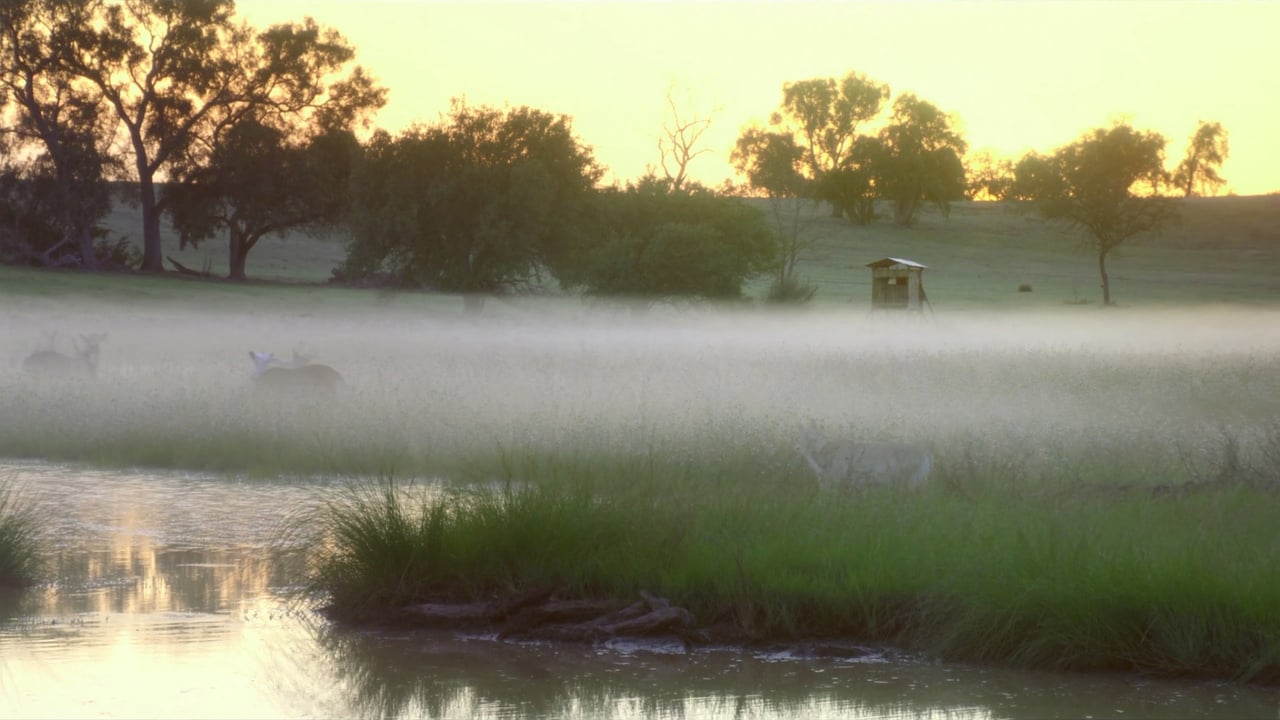
Wildlife management valuation lets Texas land that already qualifies for 1-d-1 open-space appraisal keep that lower valuation while the owner manages for native wildlife instead of livestock or crops. The owner files a wildlife management plan with the appraisal district and carries out at least three of seven practices set out in Texas Tax Code Section 23.51 each year.
It is a qualifying use inside the same open-space appraisal system, not a separate tax break. Our agents in the Land and Ranch Division at The Agency Dallas see wildlife management valuation come up often on recreational and hunting tracts.
What is wildlife management valuation in Texas?
Texas Tax Code Section 23.51 defines agricultural use broadly, and it states that "the term also includes the use of land for wildlife management." Under subdivision (7)(A), land qualifies for wildlife management use when it was already appraised as qualified open-space land or timberland when the wildlife use began, and it is actively used in at least three of these ways to propagate a sustaining population of indigenous wild animals for human use. (Texas Tax Code Sec. 23.51)
The seven statutory activities are:
- Habitat control
- Erosion control
- Predator control
- Providing supplemental supplies of water
- Providing supplemental supplies of food
- Providing shelters
- Making census counts to determine population
Who sets the rules for wildlife management use?
Three bodies share the job.
- The Texas Legislature wrote the statute. Tax Code Section 23.521 directs Texas Parks and Wildlife Department (TPWD), with the Comptroller's help, to develop the standards, and the Comptroller adopts them by rule. The standards may require a minimum tract size and a written management plan. (Texas Tax Code Sec. 23.521)
- TPWD publishes the planning guidelines by ecoregion and the forms landowners use. Its agricultural land page offers comprehensive wildlife management planning guidelines for seven ecoregion groups, including Post Oak Savannah and Blackland Prairie, and Edwards Plateau and Cross Timbers and Prairies, which cover much of North Texas. (TPWD, Agricultural Tax Appraisal Based on Wildlife Management)
- The county appraisal district receives the plan, approves or denies the valuation, and may ask for annual reports.
What does a wildlife management plan require?
Title 34 of the Texas Administrative Code, Section 9.2003, says a plan must be completed for each tract seeking wildlife management valuation, on the form prescribed by TPWD (form PWD-885). The plan must include:
- Ownership information, a property description, and current use
- The landowner's goals and objectives
- The specific indigenous wildlife species being targeted
- The management practices that will be used for those species
Practices must benefit the targeted species and follow TPWD guidelines for that ecoregion. (34 Tex. Admin. Code Sec. 9.2003)
TPWD states that the plan goes to the county appraisal district, not to TPWD. The annual report form (PWD-888) goes to the chief appraiser if the district requires one.
How many practices do I have to do each year?
Under 34 Tex. Admin. Code Section 9.2004, the landowner must select at least three wildlife management practices and carry out each of them in every tax year the valuation is sought, "to the degree of intensity that is consistent with the Guidelines" for that ecoregion. Wildlife management must also be the primary use of the land. (34 Tex. Admin. Code Sec. 9.2004)
TPWD's ecoregion guidelines list practical examples under each activity. In the Pineywoods guidelines, revised April 2010, they include:
- Habitat control: grazing management, prescribed burning, brush management
- Erosion control: pond construction and repair, gully shaping
- Predator control: feral hog control, imported red fire ant control, coyote control
- Supplemental water: spring development, trough and windmill overflow management
- Supplemental food: food plots, feeders and mineral supplementation
- Shelter: nest boxes, brush piles, fence-line management
- Census: spotlight counts (at least three a year), track counts, harvest records
(TPWD, Introduction to Specific Habitat Management Practices by Activities)
Can I switch from cattle to wildlife management after buying a ranch?
Usually yes, but the order of operations matters. Wildlife management use under Section 23.51(7)(A) requires the land to already be qualified open-space land when the wildlife use begins. For a buyer, that typically means:
- Confirm the tract currently carries 1-d-1 valuation before you write an offer.
- After closing, file your own 1-d-1 application, since a change of ownership ends the prior owner's approval. Our guide to what a 1-d-1 agricultural exemption is and how to qualify covers that filing.
- Prepare a wildlife management plan on the TPWD form for your ecoregion and file it with the appraisal district along with the application to change the use.
- Carry out at least three practices in that year and keep records, including photos, receipts, and census data.
In the first year, Section 9.2004 says the chief appraiser must approve the application if the application, plan, and evidence show the land will meet the requirements. If the actual use that year does not qualify, the land can be appraised at market value for that year.
Is there a minimum acreage for wildlife management valuation?
Statewide, the rules focus on whether a tract got smaller, and appraisal districts set local standards. For example, the Grayson Central Appraisal District's 2025 guidelines require a minimum of 12.5 acres for wildlife management, on land already receiving 1-d-1 valuation. (Grayson CAD Agricultural Guidelines, 2025)
What happens if a tract is split before I buy it?
This is the rule that catches buyers of smaller parcels. Under 34 Tex. Admin. Code Section 9.2005, if a tract has fewer acres than it had on January 1 of the preceding tax year, it must meet a "wildlife use requirement" set by the chief appraiser, with the appraisal district board's consent, from a range for that wildlife appraisal region. (34 Tex. Admin. Code Sec. 9.2005)
The requirement is a percentage calculated with the formula (x minus 1) divided by x, where x is the tract's total acreage. The regional ranges include:
- Post Oak Savannah: at least 92 percent but not more than 94 percent
- Blackland Prairie: at least 92 percent but not more than 94 percent
- Cross Timbers and Prairies: at least 93 percent but not more than 95 percent
Lower ranges apply inside wildlife management property associations and designated habitat for listed species. Tracts that have qualified continuously under wildlife use since the 2002 tax year and have not shrunk since January 1, 2009, are not subject to the requirement.
If you are buying a piece carved out of a larger ranch, confirm the new tract can meet that requirement before you count on wildlife valuation.
How does The Agency Dallas help buyers with wildlife management valuation?
The Agency Dallas handles wildlife management valuation questions as a routine part of land and ranch purchases, because the plan, the practices, and the tract size all affect what a buyer will pay to hold the property. We are a family owned and operated boutique brokerage with a statewide Land and Ranch Division and an office on Preston Road in Dallas. For broader context on price, see our guide to what actually drives price per acre in Texas, and for the other diligence items on a recreational tract, our guide to purchasing ranch land in North Texas.
If you are looking at a tract that already runs under a wildlife plan, our Land and Ranch Division can request the filed plan and any annual reports from the seller during the option period, so you know which practices you are inheriting.
Frequently asked questions
Do I need ag valuation before I can get wildlife management valuation?
Yes, under the most common path. Texas Tax Code Section 23.51(7)(A) requires the land to have been appraised as qualified open-space land or timberland when the wildlife management use began. In practice, that means confirming the tract carries 1-d-1 valuation first, then converting the use with a wildlife management plan filed with the county appraisal district.
Where do I file a wildlife management plan in Texas?
You file it with the central appraisal district in the county where the land sits. Texas Parks and Wildlife Department publishes the plan form, PWD-885, and its guidance states that the form should not be sent to TPWD. If the district requires annual reporting, you use TPWD's annual report form, PWD-888, and send it to the chief appraiser.
What are the seven wildlife management activities in Texas?
Texas Tax Code Section 23.51 lists habitat control, erosion control, predator control, providing supplemental water, providing supplemental food, providing shelters, and making census counts. Landowners must actively use at least three of them each year, at the intensity set out in TPWD's guidelines for the ecoregion where the land is located.
Can I hunt on land with wildlife management valuation?
The statute requires managing indigenous wild animals "for human use," and 34 Tex. Admin. Code Section 9.2004 lists managing wildlife for human use as a qualification element. The chief appraiser also considers whether secondary uses significantly interfere with the wildlife practices, so keep the plan and the actual use consistent with each other.
What happens to wildlife valuation if I sell part of my land?
A smaller tract may have to meet the wildlife use requirement in 34 Tex. Admin. Code Section 9.2005. That requirement is a percentage drawn from a regional range, for example 92 to 94 percent in the Blackland Prairie region. Buyers of carved out parcels should confirm with the appraisal district that the new tract can still qualify.
Can neighbors combine land to qualify for wildlife management?
Texas rules recognize wildlife management property associations. Under 34 Tex. Admin. Code Section 9.2003, an association may file one plan covering all of its member tracts, signed by each landowner. Tracts inside an association use lower regional ranges under Section 9.2005 when the tract size has been reduced.