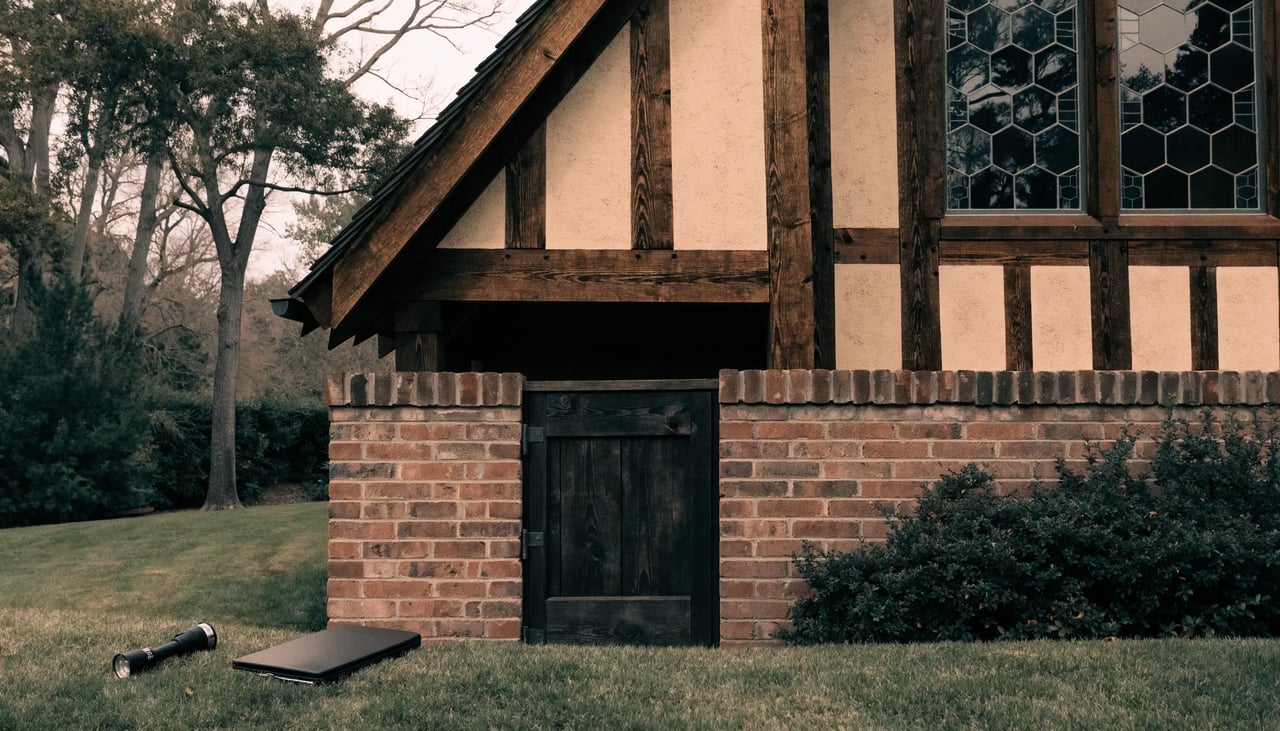
Buyers of an older M Streets Tudor should focus on the foundation and pier and beam framing, the age and condition of the electrical and plumbing systems, the roof and its flashing, lot drainage, and whether past additions were permitted. Hire a Texas-licensed inspector, then bring in specialists for anything the general inspection flags.
Greenland Hills was platted in 1923 and largely built out through the 1920s and 1930s (City of Dallas, Ordinance No. 25116 fact sheet), so most houses are near or past their hundredth year.
Who should inspect an M Streets home?
In Texas, real estate inspectors are licensed by the Texas Real Estate Commission (TREC). TREC's License Holder Search lets you confirm an inspector's license before you hire. For a house of this age, consider building a small team:
- A TREC-licensed professional inspector for the general inspection
- A structural engineer if the inspector notes foundation movement or framing concerns
- A licensed plumber with a camera to scope the main sewer line to the street
- A licensed electrician if the inspector finds older wiring or an outdated panel
- A roofer for complex Tudor rooflines
- A lead-based paint inspector or risk assessor, if you want one, since every original M Streets house predates 1978
Why does the foundation deserve extra attention?
Much of the Dallas area sits on expansive clay. The Texas Water Development Board notes that Houston Black clay, found across the Blackland Prairie from north of Dallas toward San Antonio, can "shrink and swell markedly" with changes in moisture.
Many 1920s houses were built on pier and beam foundations, with a crawl space under the floor, rather than a concrete slab. An inspector or engineer will typically check:
- Signs of movement: sloping floors, cracks in plaster or brick, doors and windows that stick or will not latch.
- Piers and beams: the condition of original piers, shims, beams and any replaced supports.
- Crawl space conditions: standing water, moisture, ventilation, wood rot and pest damage.
- Prior repairs: whether a repair was done, by whom, and whether a transferable warranty and engineer's report exist.
A documented prior repair is not automatically a problem.
What should I know about older electrical and plumbing?
Houses of this era were built long before modern electrical loads, and many have been rewired in stages over the decades. Ask the inspector to note:
- The age, brand and capacity of the electrical panel
- Any remaining original or ungrounded wiring, including older two-wire circuits
- Grounding and GFCI protection in kitchens, bathrooms and exterior outlets
On the plumbing side, older homes may still have galvanized steel supply lines or cast iron drain lines in places, alongside newer materials. A sewer scope from the house to the city connection is one of the most useful extra inspections on an older house, because tree roots and aging pipe are hard to see any other way. We do not quote repair costs, because they vary widely.
What about the roof and Tudor details?
Tudor cottages are known for steep, intersecting gables, which look great and create more valleys, flashing points and chimney intersections than a simple roof. Have the inspector or a roofer check:
- Roof covering age and condition
- Flashing at chimneys, dormers and wall intersections
- Chimney masonry, crowns and whether the flue is lined and usable
- Gutters and downspouts, and where they discharge
Keep the conservation district in mind for future replacement. Conservation District No. 9 restricts certain roofing materials, such as standing-seam metal and rolled roofing, on visible elevations, and a new roof generally requires a Conservation District Work Review. Leaded and stained glass front windows are also part of the district standards, so budget for repairing originals rather than assuming you can replace them freely.
How should I evaluate drainage?
Water management ties directly to foundation health on clay soil. Walk the lot after rain if you can, and ask the inspector to check:
- Grading that slopes away from the house on all sides
- Downspouts that empty well away from the foundation
- Low spots, erosion or standing water near the crawl space vents
The city's conservation district checklist notes that some work in District No. 9 may require sealed grading plans, so a significant drainage project may involve more than a contractor visit.
How do I check additions and permit history?
Many M Streets cottages have rear additions, converted garages or finished attics. Before you close:
- Search the address in DallasNow, the City of Dallas online permit portal, which lets the public look up permit records by address.
- Ask the seller for permits, final inspections and any Conservation District Work Review approvals for additions and exterior changes.
- Compare the house to the paperwork. Square footage, window changes or an enclosed porch that do not appear in records are worth questions.
- Review the seller's disclosure, along with the federal lead-based paint disclosure required for housing built before 1978 (U.S. Environmental Protection Agency, Lead-Based Paint Disclosure Rule).
Unpermitted work can affect insurance, financing and resale; a real estate attorney can advise on specific risks. See our M Streets housing market report for current market context.
How can The Agency Dallas help in the M Streets?
The Agency Dallas guides buyers through inspections on older M Streets homes, from scheduling licensed inspectors to reading reports and negotiating repairs within the option period. Send us your budget, timing and must-haves. Selling an older home? Our post on repairs worth doing before selling a Dallas home is a useful start, and you can request a home valuation or call (469) 839-6020. We follow up within one business day.
The Agency Dallas represents sellers in the M Streets too. Learn more on our East Dallas page or browse East Dallas.
Frequently asked questions
Are pier and beam foundations bad?
No. Pier and beam is a common foundation type in 1920s Dallas homes and can perform well for decades when maintained. It allows access to plumbing and framing through the crawl space, and many issues can be addressed by adjusting or replacing supports. The key is a thorough inspection and, if movement is noted, an evaluation by a structural engineer.
Should I get a sewer scope on an M Streets house?
We generally recommend it for older homes. A licensed plumber runs a camera through the main drain line to the city connection and can spot root intrusion, cracks, sags or older pipe materials that a standard inspection cannot see. Schedule it during your option period so you have time to review findings and negotiate.
Is lead paint a concern in M Streets homes?
Original M Streets homes predate 1978, so federal rules require sellers to disclose known lead-based paint information, provide available records and give buyers an EPA pamphlet. Buyers generally get a 10-day opportunity to arrange a lead inspection or risk assessment. Whether to use it is your choice, and licensed assessors can explain any findings.
How do I know if an addition was permitted?
Search the address in DallasNow, the City of Dallas online permit portal, and ask the seller for permits, final inspections and conservation district approvals. Compare those records to the house as it stands. If something does not match, ask questions before your option period ends, and consider advice from a real estate attorney on the risks.
Can I replace original windows after I buy?
Possibly, but not freely. In Conservation District No. 9, front facade and wrap-around windows must meet glass and proportion standards, and replacement generally requires a Conservation District Work Review. Many owners repair original leaded or stained glass instead. Confirm what is allowed with City of Dallas Planning and Development before planning a window project.
Sources
- City of Dallas, Ordinance No. 25116, Conservation District No. 9 (M Streets), with fact sheet
- City of Dallas Planning and Development, CDWR Application and Checklist (2023)
- City of Dallas, DallasNow permit portal guide
- Texas Real Estate Commission, Become a Professional Real Estate Inspector and License Holder Search
- Texas Water Development Board, Texas State Soil: Houston Black
- U.S. Environmental Protection Agency, Lead-Based Paint Disclosure Rule (Section 1018 of Title X)
Verified October 2026.