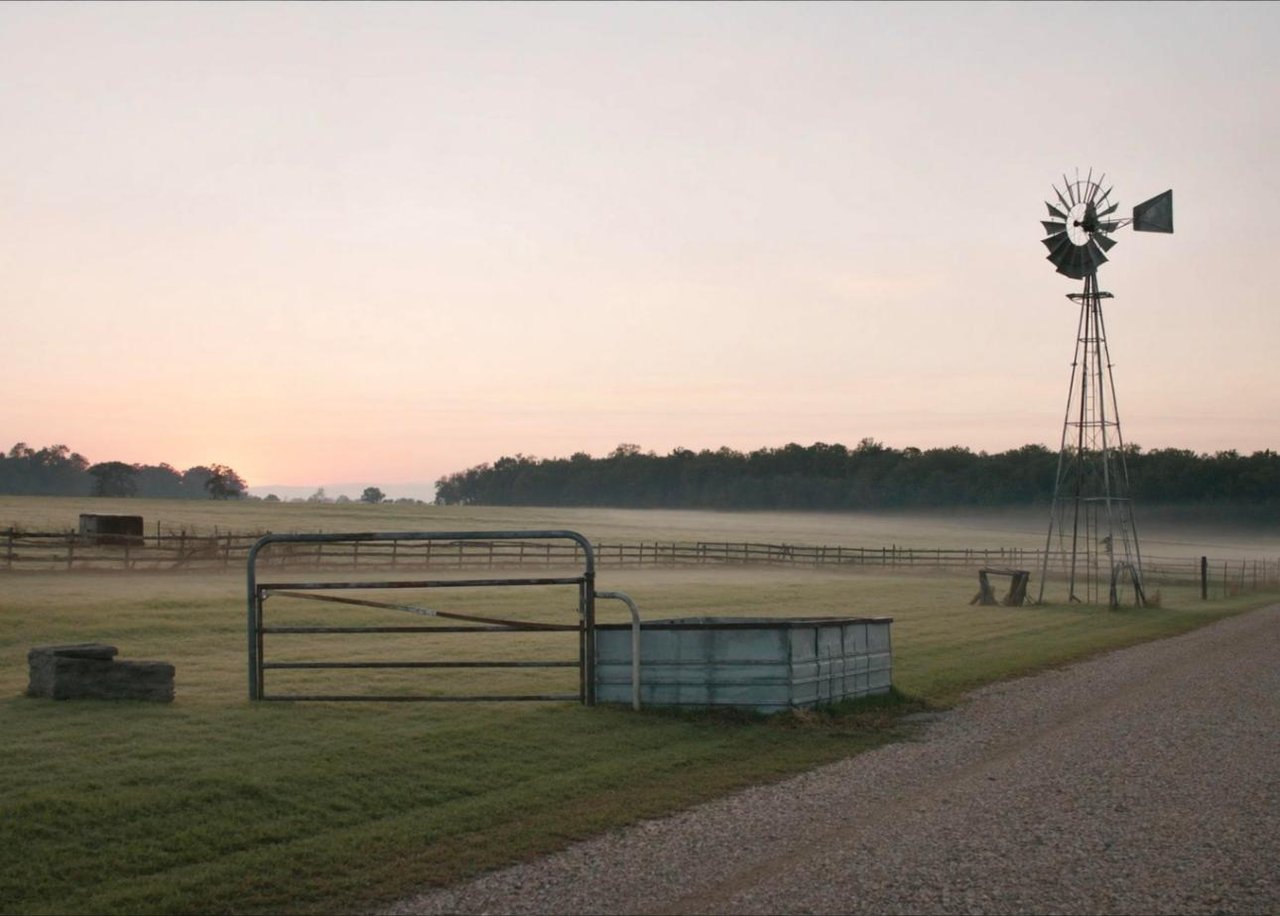
Selling a ranch west of Fort Worth starts with three questions a buyer will ask before price: what water comes with the land, who owns the minerals, and what happens to the agricultural valuation after closing. Over the past twelve months, Parker County homes on ten acres or more sold for a median of $1,150,000, and land of ten acres or more sold for a median of about $27,900 per acre, according to NTREIS Matrix. Sellers who answer the water, mineral and tax questions up front give buyers fewer reasons to discount that number.
The Agency Dallas, an independently owned and operated brokerage serving North Texas, helps ranch sellers work through these three issues before the property goes to market. Below is what each one involves for a seller in Parker County and the surrounding area.
What should a seller gather before listing a ranch?
A ranch file that is ready on day one shortens due diligence and supports the price. Before listing, collect:
- A current or recent survey, plus any recorded easements and access agreements.
- Well records, water test results and the location of every well, tank and pond.
- Your deed and any prior deeds that reserved minerals, along with any current oil and gas lease.
- Your appraisal district notice showing agricultural or wildlife valuation, and records of the qualifying use.
- A list of improvements: fencing, barns, pens, roads, gates and electric service.
What does a buyer need to know about water?
Water is often the first question on a western Parker County ranch. Many rural properties rely on private wells, and buyers want to know how many there are, how deep they are and what they produce.
Parker County sits inside the Upper Trinity Groundwater Conservation District, which covers Montague, Wise, Parker and Hood counties, as reported by The Bowie News on July 15, 2026. The district manages groundwater in those counties and was holding public hearings this year on its desired future conditions for the aquifers through 2080. A seller should confirm with the district whether each well on the property is registered and what rules apply to it.
Two public sources help document a well:
- The Texas Water Development Board. Its Submitted Drillers Reports Database holds well reports filed electronically since 2003, searchable by address, owner, driller, county or date.
- The TCEQ Water Well Report Viewer. It holds scanned paper reports for wells drilled before 2003.
A recent water quality test and a flow test are worth ordering before listing, because they answer questions buyers would otherwise price in. Surface water matters too: stock tanks and ponds add value when they hold water through the summer, so note how they performed in dry years.
How do minerals affect a ranch sale?
In Texas, the mineral estate can be owned separately from the surface, and on older ranches it may already have been split off. Before setting a price, find out what you own. A title company or an attorney can trace prior reservations in the chain of title.
If you own minerals, you have choices. The Texas Real Estate Commission's Addendum for Reservation of Oil, Gas and Other Minerals lets a seller:
- Reserve all of the seller's mineral estate.
- Reserve an undivided interest and convey the rest.
- Decide whether to waive the implied right to use the surface for mineral activity.
The form notes that the mineral estate affects important rights that may not be fully known to the seller. It strongly encourages both parties to consult an attorney with expertise in this area. Some buyers will pay more for a ranch that conveys minerals or includes a surface waiver, because it protects their use of the land. The Railroad Commission of Texas Public GIS Viewer shows existing oil and gas wells near a property, which helps both sides understand what activity is already nearby.
What happens to the agricultural valuation when a ranch sells?
Many Parker County ranches carry open-space agricultural valuation, often called 1-d-1 or an ag exemption. That valuation taxes the land on what it produces rather than its market value, and it is a carrying cost every buyer will compare.
Three rules matter for a sale:
- Rollback applies to a change in use. If land under 1-d-1 valuation changes to a non-agricultural use, it owes a rollback tax. This is the difference between the taxes paid at agricultural value and the taxes that would have been paid at market value, for each of the three years before the change. Texas shortened that period from five years to three in HB 3833, effective June 15, 2021.
- The application window is fixed. Applications are filed after January 1 and before May 1 of the tax year. Late applications are accepted until the appraisal roll is certified, with a 10 percent penalty.
- Wildlife valuation needs existing ag status. Texas Parks and Wildlife notes that only land already appraised as agricultural or timber land can convert to wildlife management use. The owner files an open-space application with a wildlife management plan by May 1.
A buyer who plans to keep the land in qualifying use will want proof that it qualifies. Hand over your records of grazing leases, hay production or wildlife practices, and tell the buyer when the next application is due. A buyer who plans to build or change the use needs to know the rollback could apply, and the contract should say who pays it.
How should a ranch west of Fort Worth be priced?
Price per acre in Parker County depends on tract size and features more than any single average. Over the past year, land of ten to one hundred acres sold for roughly $27,000 to $32,000 per acre at the median, while tracts over one hundred acres sold for about $13,000 per acre. Homes on ten to twenty acres sold for a median of $975,000.
Start from sales in your size band, value the house and improvements separately, then adjust for water, minerals and tax status. A ranch with documented wells, clear mineral terms and active ag valuation gives a buyer fewer unknowns to discount. Our post on Parker County ranch prices per acre breaks the numbers down by size.
The Agency Dallas guides Parker County sellers through each of these steps. Our guide to selling Texas land covers the process, and our pages on water rights, mineral rights and rollback taxes go deeper on each issue. Our Parker County land page covers the county, and our post on surveys and inspections for acreage explains what buyers will order.
Frequently asked questions
Does selling a ranch trigger a rollback tax in Texas?
Rollback is tied to a change in use, not to the sale itself. If land under 1-d-1 agricultural valuation changes to a non-agricultural use, it owes the difference between taxes at agricultural value and market value for the three prior years. A buyer who keeps the land in qualifying use and files a timely application can avoid triggering it.
Which groundwater district covers Parker County?
Parker County is part of the Upper Trinity Groundwater Conservation District, which also covers Montague, Wise and Hood counties. The district manages groundwater in those counties. Sellers should confirm with the district whether each well on the property is registered and what rules apply, and share that with buyers before contract.
Should I keep my minerals when I sell my ranch?
It depends on what you own and what buyers in your area expect. The TREC mineral reservation addendum lets a seller reserve all or part of the mineral estate and decide whether to waive surface use rights. Because the rights involved can be significant and complex, the form encourages both parties to consult an attorney.
How do I find records for the water well on my ranch?
Wells drilled since 2003 usually have reports in the Texas Water Development Board's Submitted Drillers Reports Database, searchable by address, owner or county. Older reports were filed on paper and are available through the TCEQ Water Well Report Viewer. A current water test and flow test add useful detail for buyers.
What is Parker County ranch land selling for per acre?
NTREIS Matrix recorded 65 closed land sales of ten acres or more in Parker County between November 2025 and October 2026, at a median of about $27,900 per acre. Tracts over one hundred acres sold for about $13,000 per acre. Water, access, improvements and location explain much of the range.
Sources: NTREIS Matrix closed land and residential sales, Parker County, 10 acres or more, closed November 1, 2025 to October 31, 2026, search run November 1, 2026; The Bowie News, "Upper Trinity to conduct hearing on proposed DFCs for district," July 15, 2026; Texas Water Development Board, Locating a Water Well Report; Texas Real Estate Commission, Addendum for Reservation of Oil, Gas and Other Minerals (TREC No. 44); Railroad Commission of Texas, Public GIS Viewer announcement, February 12, 2019; Collin Central Appraisal District, Agricultural Use FAQs (rollback and filing deadline under state law); Texas Parks and Wildlife Department, Tax Valuation for Wildlife Management FAQ. All accessed November 1, 2026.