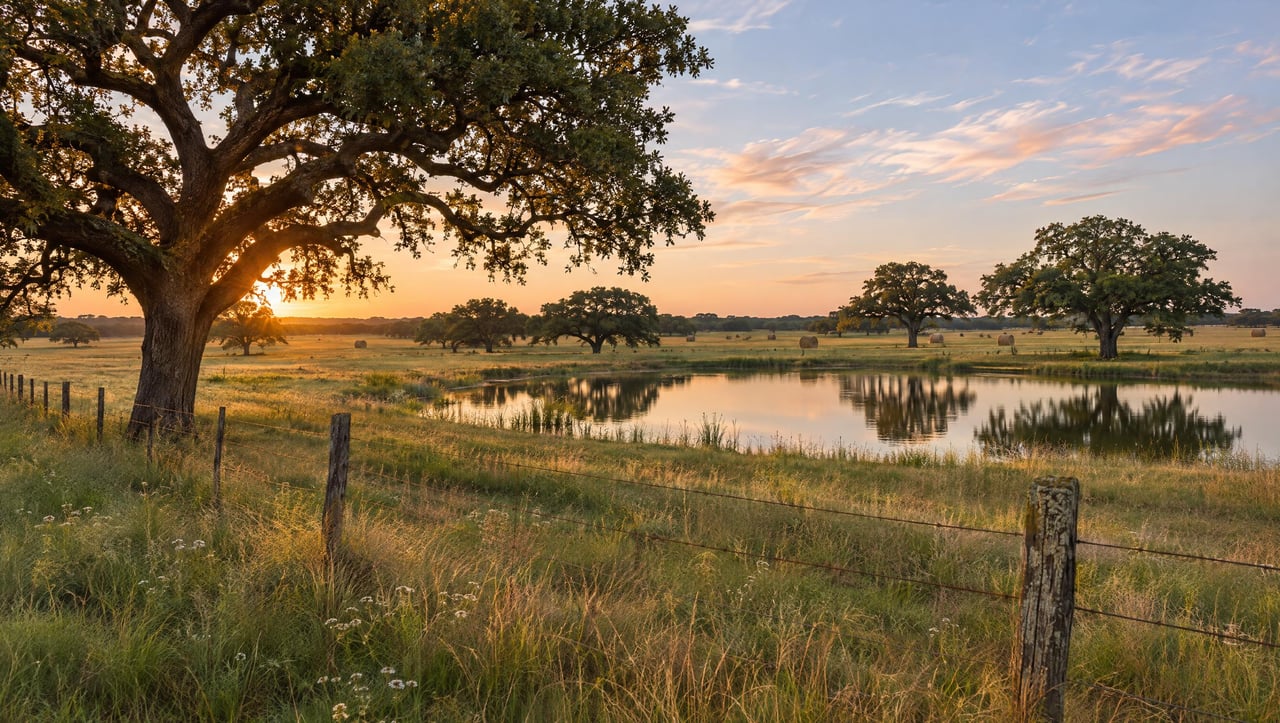
To keep an agricultural exemption after buying a Texas ranch, you must file your own application for agricultural (1-d-1) appraisal with the county appraisal district, generally by April 30 of the year after you buy, and keep the land in qualifying agricultural use at the intensity the district requires. The prior owner's approval does not carry over to you.
The timing is not a technicality. Bexar Appraisal District, for example, states that when you buy property already under agricultural appraisal after January 1, the following year the new owner will have to file their own application (Bexar Appraisal District FAQ, accessed November 16, 2026). Comal Appraisal District sets the deadline at April 30 of the current tax year and imposes a 10% penalty on late applications that are granted (Comal Appraisal District, accessed November 16, 2026). Miss it, and your taxes can jump to full market value.
I am Damon Williamson, Broker and Owner of The Agency Dallas. Damon Williamson and The Agency Dallas help buyers keep an agricultural exemption after buying a Texas ranch by building the paperwork and the land plan into the purchase itself. Here is how it works.
How do I keep an agricultural exemption after buying a Texas ranch?
Follow these steps in order. Most of them happen before you close, not after.
- Confirm the current status before you sign. Pull the appraisal district record and confirm the land is under 1-d-1 agricultural appraisal, wildlife management valuation, or neither.
- Learn how the land qualified. Ask the seller what agricultural use supports the appraisal today: grazing, hay, crops, or a lease to a rancher. Get a copy of any grazing or hay lease.
- Check the county's intensity standards. Each appraisal district publishes what counts as typical agricultural use in that county, such as stocking rates or acreage minimums.
- Plan the use for your first year. Decide whether you will run your own operation or keep a lease in place. Many buyers keep the existing lessee through the transition.
- File your own application. Use Comptroller Form 50-129 (Application for 1-d-1 Open-Space Agricultural Valuation) with the appraisal district by the deadline.
- Keep records. Save leases, receipts, sale records for livestock or hay, and photos. Districts can request proof of use.
- Respond to every district letter. Districts periodically send new applications or requests for information. Ignoring one can end the appraisal.
Does the agricultural exemption transfer to a new owner in Texas?
Not automatically. The land's agricultural history carries forward, but the approval is tied to the owner's application. The Texas Comptroller's rule for 1-d-1 qualification is that the land must have been devoted to agricultural or timber production for at least five of the past seven years (Texas Comptroller, Agricultural and Timber Exemptions and Special Appraisal, accessed November 16, 2026). A buyer who continues that use can qualify on the land's history, but still has to apply.
Comal Appraisal District says a new application is required when the ownership of the property has changed. Some districts send the new owner an application; others do not. Do not wait for the mail.
What if I close in the middle of the year?
Under the Bexar Appraisal District guidance above, if the land was approved for the current year when you buy after January 1, the appraisal generally stays in place for that tax year, and you file your own application for the following year. Your title company will prorate taxes at closing, and your contract should address who pays any additional taxes if the use changes.
Is an ag exemption the same as a homestead exemption?
No. Agricultural appraisal values the land on what it produces rather than its market value. A homestead exemption reduces the taxable value of your residence. A ranch can have both: the homesite under homestead and the remaining acreage under agricultural appraisal. For more on the qualification side, see what a 1-d-1 agricultural exemption is and how to qualify.
What triggers a rollback tax when I buy ag land?
A change in use triggers rollback, not the sale itself, under 1-d-1. The Comptroller explains that the owner who changes the use will owe a rollback tax for each of the previous three years in which the land received the lower appraisal, equal to the difference between taxes paid on agricultural value and taxes that would have been paid on market value (Texas Comptroller, accessed November 16, 2026). The Comptroller also notes interest can apply in addition to the rollback tax upon selling or discontinuing agricultural use.
Common rollback triggers buyers stumble into:
- Stopping all agricultural use because a lease ended and no one replaced it.
- Converting acreage to a building site, a large lawn, or a non-agricultural business.
- Subdividing into tracts that no longer meet the county's minimums.
Bexar Appraisal District notes that reduced agricultural intensity alone would not trigger a rollback, but ceasing all agricultural use would. Our guide to how rollback taxes work when buying land in Texas covers who pays and how to negotiate it in the contract.
Can I switch from agricultural use to wildlife management?
Often, yes, if the land is already qualified for agricultural appraisal and you follow a written wildlife management plan that meets your county's requirements. Wildlife management valuation has its own annual reporting. Read how wildlife management valuation works for Texas landowners before you change your plan, and talk with the appraisal district first.
What should my ranch purchase contract say about the ag exemption?
Texas ranch buyers commonly use the TREC Farm and Ranch Contract, and the promulgated contract forms address rollback taxes when a sale or the buyer's use causes them. Your agent should make sure the contract states the current designation, who pays any rollback if the buyer changes the use, and that the seller will deliver leases and any wildlife plan. If you have never used that form, see what the TREC Farm and Ranch Contract is and when it is used.
When Damon Williamson and The Agency Dallas represent a buyer who wants to keep an agricultural exemption after buying a Texas ranch, we confirm the designation with the district, collect leases and records from the seller during the option period, and calendar the application deadline at closing. You can browse current properties on our land and ranch page.
Buying a ranch alongside a city home? Our guides on which luxury brokerage to use to buy a home in Westover Hills and how to choose a real estate agent for Montserrat in Fort Worth cover the West Fort Worth side, and how competitive the Dallas housing market is right now covers the residential market this fall.
Frequently asked questions
Do I have to reapply for ag valuation after buying land in Texas?
Yes. Appraisal districts require a new application when ownership changes. If you buy after January 1 and the land is already approved for that year, you generally file your own application for the following year. File by the April 30 deadline to avoid a late penalty, and confirm the exact process with your county appraisal district.
What form do I file to keep the ag exemption?
For 1-d-1 open-space agricultural valuation, the Texas Comptroller form is 50-129, filed with the appraisal district in the county where the land sits. Some districts publish their own version of the form. Attach any leases or records the district asks for, and keep a copy of what you filed.
Does selling ag land trigger a rollback tax?
Under 1-d-1, a change in use triggers rollback, not the sale by itself. If the new owner keeps the land in qualifying agricultural use and reapplies, rollback generally does not apply. If the use stops or changes, rollback can reach back three years. Your contract should say who pays if that happens.
How many years of ag use does Texas land need to qualify?
The Texas Comptroller states the land must have been devoted to agricultural or timber production for at least five of the past seven years. A buyer who continues an existing qualifying use can rely on the land's history, but must still apply in their own name and meet the county's intensity standards.
Can I lease my land to a rancher to keep the ag exemption?
Many owners do. A written grazing or hay lease with a working operator can support the agricultural use, as long as the use meets your county's standards. Keep the signed lease, payment records and any proof of the operation in case the appraisal district asks for documentation.
Talk with Damon
Buying a ranch with an ag exemption? Talk with Damon Williamson about leases, rollback terms and protecting your tax position at closing.