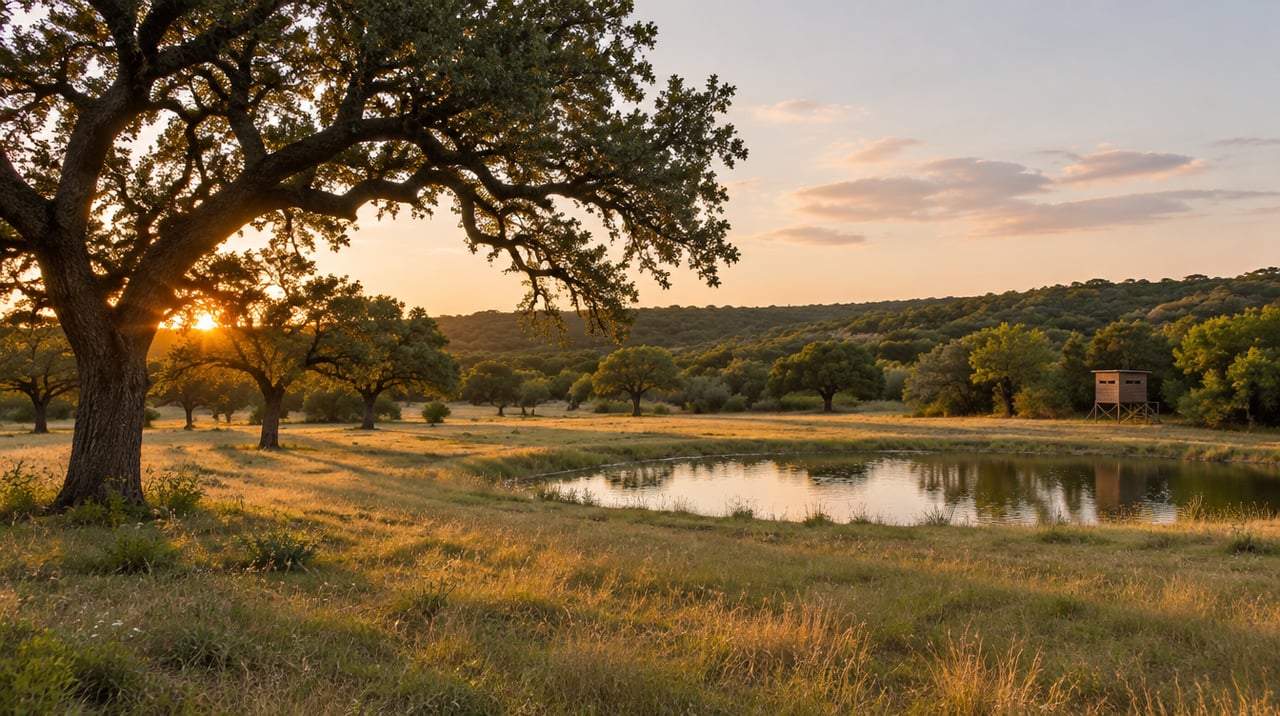
A good hunting ranch investment in Texas has four things working together: huntable habitat with reliable water, legal and physical access, a property tax status that fits how you will use the land, and a resale story that does not depend on the hunting alone. If one of those four is weak, the price should reflect it.
The tax piece is where many buyers lose money without noticing. Per the Texas Comptroller's property tax assistance page (reviewed Nov. 9, 2026), qualifying land generally must have been in agricultural or timber use for at least five of the past seven years, and land used for wildlife management can qualify for the same special appraisal. That rule shapes what a hunting ranch costs to carry.
I am Damon Williamson, broker and owner of The Agency Dallas, and I walk buyers through a hunting ranch investment in Texas the same way every time: habitat and water first, paperwork second, price last.
What should I look at first when evaluating a hunting ranch?
Start with what the animals need, not what the listing photos show. Deer, turkey, quail and hogs follow food, cover and water. A property can look beautiful and still hold few animals if the neighbors, the soil or the brush structure work against it.
- Water: stock ponds, creeks, wells and troughs. Ask how each source performs in a dry summer, not just after rain.
- Cover and food: a mix of native brush, mature oaks and open pasture usually holds more game than a single uniform pasture.
- Size and neighbors: game moves. A small tract surrounded by heavily hunted land behaves differently from one with managed neighbors.
- Fencing: game fence, cattle fence or no fence changes both management options and cost.
Does water ownership matter as much as water presence?
Yes. Surface water, groundwater and a private pond are treated differently under Texas law, and what you can use matters as much as what you can see. We cover the mechanics in our post on how water rights work when purchasing a Texas ranch.
How much does the surrounding county matter?
A lot. Groundwater districts, lot size rules and local land use change what you can build and how you can manage the property. For a North Texas example, see what Parker County land buyers must check on wells and groundwater districts.
How does property tax status change the investment?
Texas lets qualifying land be appraised on what it can produce instead of what it would sell for. The Comptroller's page says productivity value is usually lower than market value, and that owners must apply. Land used for wildlife management can qualify, which is why many hunting ranches are carried under a wildlife management plan rather than a cattle operation.
What is the catch if the use changes?
If land receiving the special appraisal changes to a non-agricultural use, the owner owes rollback tax for each of the previous three years in which the land got the lower appraisal, per the Comptroller. A buyer who plans a large lodge, an event venue or a subdivision should price that in. Our guide to how rollback taxes work when buying land in Texas walks through it, and how wildlife management valuation works for Texas landowners explains the wildlife route in detail.
Do I need to keep cattle to keep the exemption?
Not necessarily. The ag exemption has several paths, and wildlife management is one of them. The right path depends on your acreage, current use and the county appraisal district. We explain the basics in what a 1-d-1 agricultural exemption is and how to qualify.
What separates a ranch that holds value from one that does not?
Hunting demand is real, but it is not the only reason a buyer pays for land. The ranches that resell well tend to be useful to several kinds of buyers at once: a family looking for a weekend place, a cattle operator, and a hunter. If your ranch only works for one of them, your pool of future buyers is smaller.
- Confirm legal access: a recorded easement or public road frontage, not a handshake.
- Check minerals: find out who owns them and whether any lease is in place.
- Review the survey and the fence line against it.
- Ask for the property's tax history and any ag or wildlife filings.
- Get a realistic read on what comparable ranches actually sold for, not only what they were listed for.
How do I know what a ranch is really worth?
Ranch valuation is harder than house valuation because no two tracts are alike. Soil, water, improvements and location all move the number. Our post on how to value a cattle ranch in Texas shows the method, and the same logic applies to a hunting property. Texas also does not make sale prices public, which Redfin's explainer on non-disclosure states (Nov. 19, 2025) lists Texas among, so comparable sales usually come from brokers and the MLS rather than a public database.
How should I finance and time a hunting ranch purchase?
Land loans usually ask for more cash down and shorter terms than a home mortgage. Read how land loans work in Texas and what down payment to expect before you make an offer, and build the closing timeline around the survey and title work. The time it takes depends on the property, as we explain in how long it takes to close on a ranch property in Texas.
Damon Williamson at The Agency Dallas works on hunting ranch investment in Texas from both sides of the table: helping buyers underwrite a property and helping sellers present habitat, water and tax status the way an informed buyer will read them. Our broader overview lives in a guide to purchasing ranch land in North Texas, and sellers of larger tracts can review which brokerages sell large ranches over $5 million in Texas.
What are the risks of buying a hunting ranch as an investment?
- Game populations vary from year to year and are not guaranteed by the seller.
- Drought can hurt water sources, forage and animal movement.
- A change of use can trigger rollback tax.
- Carrying costs such as fence repair, brush work and insurance continue whether you hunt or not.
- Resale depends on buyer demand in that specific area.
None of these rule out a good purchase. They are the line items an experienced buyer prices before offering. If you want a second set of eyes on a specific tract, start with Damon Williamson's profile.
Frequently asked questions
Is a hunting ranch a good investment in Texas?
It can be, if the land has water, usable habitat, legal access and a tax status that fits your use. Treat hunting as one source of demand, not the only one. Ranches that appeal to families, cattle operators and hunters usually resell more easily than single-purpose tracts.
Can I get a lower property tax bill on a hunting ranch?
Possibly. The Texas Comptroller says qualifying land can be appraised on productivity value, and land used for wildlife management may qualify. You must apply, meet the years-in-use test, and follow your county appraisal district's rules. Confirm eligibility before you rely on the savings.
What is rollback tax on Texas ranch land?
If land with an ag appraisal changes to a non-agricultural use, the owner owes the difference between taxes paid and taxes that would have been paid at market value for each of the previous three years, per the Texas Comptroller. Interest may also apply in some cases.
Should I check minerals before buying a hunting ranch?
Yes. Ask who owns the minerals, whether any lease exists, and what surface rights come with the deal. Mineral ownership can be severed from the surface, so a buyer may not own what lies beneath the land. Your title company and attorney should confirm it before you close.
How long does it take to buy a hunting ranch in Texas?
It depends on the survey, title work, financing and any tax or mineral questions. Cash purchases move faster than financed ones. Build in time for inspection of water sources, fences and access before the option period or due diligence ends.
Talk with Damon
Weighing a hunting ranch in Texas? Talk with Damon Williamson about habitat, water, access and how the tax status affects what you will really pay.