Munger Place is a City of Dallas historic district, designated a Landmark District in 1988, with more than 200 homes that the City calls the largest intact collection of Prairie-influenced structures in North Texas. Because it is a historic district, exterior work needs a Certificate of Appropriateness, and larger changes go before the Dallas Landmark Commission.
The Agency Dallas helps buyers and sellers in East Dallas, including Munger Place, understand how the historic district rules apply to a specific house before a contract is signed.
What is it like to walk through Munger Place?
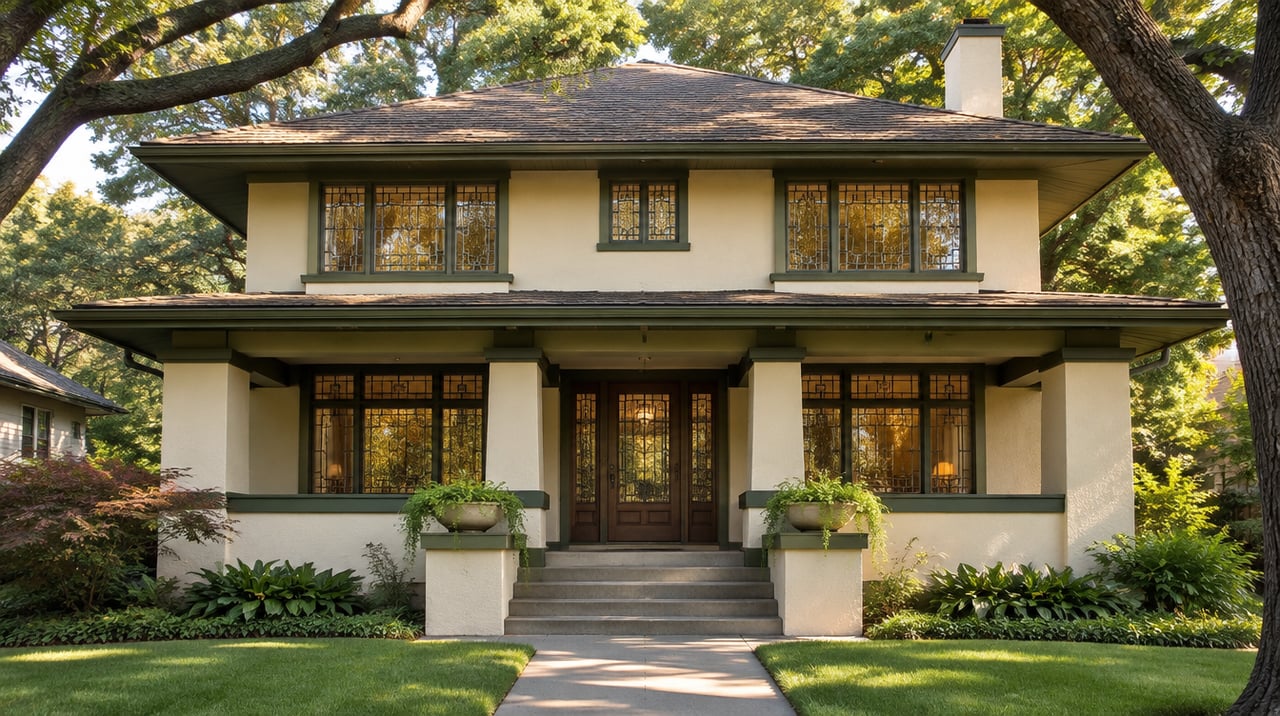
The first thing you notice in Munger Place is the porches. Not little stoops. Real porches, wide enough for rocking chairs, a swing, a dog bed and a neighbor who stopped by "for a minute" two hours ago. The second thing you notice is the ceilings, if you are lucky enough to get invited in. Ten and twelve feet are common. Then the windows, the wide entry halls, the oak floors that have survived a century of Texas summers.
Munger Place was built to impress, and it still does. More than a hundred years after it was laid out, it remains one of the most complete early twentieth century neighborhoods in Dallas, which is exactly why the rules exist.
Where did Munger Place come from?
Munger Place was developed around 1905 by the Munger brothers, Robert S. and Collett Munger, who made their fortune manufacturing cotton gins. They planned it as one of the city's early deed-restricted subdivisions, with careful rules on lots and homes at a time when most of Dallas had none. The original Munger Place addition also gave rise to Swiss Avenue, which today is a separate historic district next door.
Over the decades, the neighborhood went through hard times along with much of East Dallas. Many large homes were divided into apartments, and some were lost. Residents pushed for protection, and the neighborhood became a City of Dallas Landmark District in 1988. It is also listed on the National Register of Historic Places.
What style are the homes in Munger Place?
The City describes the district's architecture as Prairie Four Square influenced. If you are new to the term, here is what to look for:
- Symmetrical, boxy facades with a centered front door or an evenly balanced front
- Broad front porches that run much of the width of the house
- Wide, overhanging eaves that shade the walls and windows
- Low, hipped roofs, often with a dormer
- Large windows, sometimes with leaded or decorative glass
Inside, many Munger Place homes are known for tall ceilings, generous entry halls and big, light-filled rooms. You will also find Craftsman, Colonial Revival and other early twentieth century styles mixed in, but the Prairie foursquare is the signature.
What rules apply in the Munger Place Historic District?
Munger Place is governed by its own ordinance, which the City lists as Ordinance No. 20024, with an original version and a codified version that includes later amendments. The ordinance contains preservation criteria the Landmark Commission uses when reviewing changes. The process works the same way it does in other Dallas Landmark Districts.
What needs approval?
The City requires a Certificate of Appropriateness before exterior work on any structure or site in a Landmark District. That includes:
- Work on the front, sides and rear of a house
- Non-contributing structures in the district, not just historic ones
- Fences, gates, retaining walls and carports
- Major landscaping changes and landscaping features over six inches tall
- New construction, additions and accessory buildings
How long does approval take?
- Routine Maintenance: minor repairs that do not change design, material or appearance are reviewed by City staff. The City says these can take up to 21 days and often take less.
- Landmark Commission review: larger changes are heard by the Commission. Applications are due by noon on the fourth Monday of each month.
- Major projects: the City asks owners to review new construction and major remodels with the district's preservation planner before the submittal deadline.
What happens after approval?
Post the signed CA where it is visible on the property and pull any building permits. A CA lapses if continuous progress is not made for more than 180 days, so do not get approval and then let the project sit.
Why do Munger Place buyers need to think about porches and windows?
Because those are the features that define the house, and the features most likely to be protected. Two common surprises:
- Porches. Enclosing a front porch, changing its columns or removing it is a change to the defining feature of a Prairie foursquare. Expect careful review.
- Windows. Original wood windows are often a priority in historic districts. Repairing them is usually treated very differently from replacing them with a new design or material. Ask the preservation planner before you get a replacement quote.
A good rule: if a change would be visible and would alter the look or materials of the house, assume it needs review and ask first.
Can you add on to a Munger Place home?
Often, yes, with care. Rear additions and garage apartments are common ways owners add space in historic districts. They require Landmark Commission review and must meet the district's preservation criteria, which typically means the addition respects the scale and character of the original house. A residential architect who has worked in Dallas historic districts is worth the fee. If your plan requires a teardown, Munger Place is not the place. Demolition requires a separate Certificate for Demolition, and contributing homes are rarely approved for removal.
Is there a tax benefit for restoring a Munger Place home?
Potentially. The City of Dallas historic tax exemption program applies to structures in Landmark Districts, including Munger Place. The amount depends on the type of property and how much is invested in qualifying rehabilitation, and owners must apply with the Dallas Central Appraisal District each year they are eligible. It is not a grant, and the program has specific steps, so read the City's program materials before you count on it.
How is Munger Place different from a conservation district like Lakewood or the M Streets?
Question | Munger Place (historic district) | Lakewood or M Streets (conservation districts) |
|---|---|---|
What is protected | The historic houses and their setting | The neighborhood's overall character and style |
Who approves changes | City staff for routine work; Landmark Commission for larger changes | City planning staff |
Materials | Period-appropriate materials generally expected | More flexibility if the design fits |
Demolition | Rarely approved for contributing homes | Depends on the ordinance |
Historic tax exemption | Contributing structures may qualify | Not eligible under the City's historic program |
For the full comparison, see our plain-English guide to conservation and historic districts in East Dallas. For the conservation districts themselves, see Lakewood and the M Streets.
What does "contributing" mean in Munger Place?
Every property in a Dallas historic district is classified as either contributing or non-contributing. In Munger Place, a contributing house is generally one that dates from the neighborhood's historic period and still keeps enough of its original design to add to the district's character. A non-contributing structure may be newer, or may have been altered so much that it no longer reflects the period.
That label affects buyers in three practical ways:
- Review: contributing houses are reviewed closely against the preservation criteria, especially for changes to defining features like porches, rooflines and windows.
- Demolition: contributing houses are rarely approved for demolition. Non-contributing structures are reviewed differently, though any demolition still requires a Certificate for Demolition.
- Taxes: eligibility for the City's historic tax exemption is tied to historic structures in Landmark Districts, so status matters if a restoration is part of your plan.
Do not rely on a listing description for this. Ask City preservation staff to confirm a property's status during your option period.
What questions should I ask the Munger Place preservation planner?
The City assigns a preservation planner to each historic district, and talking with that person early is one of the best things a buyer can do. Here are the questions worth asking before your option period ends:
- Is this specific address inside the Munger Place Historic District, and is the house contributing?
- Are there any open violations or pending applications on the property?
- Has exterior work been approved here in the past, and can I see those Certificates of Appropriateness?
- Based on the ordinance, which of my planned projects would be Routine Maintenance, and which would need Landmark Commission review?
- What does the ordinance say about rear additions, garage apartments and second-story additions for a house like this?
- Which original features on this house are most important to keep, such as the porch, windows or roofline?
- What documents will I need to submit for my project?
- What is the next submittal deadline, and how long should I plan for review?
Write the answers down. They become your renovation road map, and they help you negotiate if you find surprises.
What are the common myths about living in Munger Place?
Myth: "Historic means frozen in time."
Munger Place owners update kitchens, bathrooms and systems all the time. The Certificate of Appropriateness process is about exterior changes. The goal is to keep the neighborhood's historic character while people live modern lives inside it.
Myth: "Only the street side is regulated."
The City says a CA is required for work on the rear of a structure as well. Rear additions and backyard buildings are reviewed, too.
Myth: "It's just paperwork for nothing."
The review protects what you paid for. When you buy a Prairie foursquare on a block of Prairie foursquares, the rules keep the house next door from turning into something that changes the whole street. The City's 2025 preservation study found that single-family homes in Dallas historic districts were valued about 15% above the rest of the city on average in 2024.
Myth: "My contractor will handle approvals."
Some contractors are excellent at this, and some have never worked in a historic district. As the owner, you are responsible for making sure a CA is in place before work begins. Ask any contractor how many Dallas historic district projects they have completed and whether they have handled the CA process before.
How does the approval process actually feel from start to finish?
For a typical Munger Place project, the rhythm looks like this:
- Weeks 1 to 2: define the project, talk with the preservation planner and gather photos and drawings.
- Weeks 2 to 4: refine plans with an architect or contractor and prepare the application.
- Submittal: routine work goes to staff on a rolling basis; larger projects meet the fourth Monday deadline.
- Review: staff review for routine work can take up to 21 days, per the City. Commission review follows the monthly cycle.
- Approval: post the signed CA, pull permits and start work.
Projects that need revisions take longer. The best way to avoid that is to share early drawings with the planner before you submit.
What should buyers check before buying in Munger Place?
- Confirm the address is in the district using the City's Munger Place map.
- Ask whether the house is contributing and what that means for your plans.
- Read the ordinance, especially sections on porches, windows, additions, fences and accessory buildings.
- Request past approvals for any exterior work done by previous owners.
- Inspect for age. Original wiring, plumbing, pier-and-beam foundations, roofs and wood windows deserve a close look. Our guide on what to know before buying a historic home covers this.
- Check for past conversions. Some large homes were once divided into apartments. Ask how the house has been reconfigured and whether that work was permitted.
- Plan for the calendar. If your plans need Landmark Commission review, the monthly cycle affects when you can start.
What should Munger Place sellers know before listing?
- Gather your records: approved CAs, permits, restoration receipts and any architect plans.
- Tell the history: year built, original features, restoration work and any tax exemption.
- Show the original details in photos and showings: the porch, the windows, the ceilings, the millwork.
- Deal with unapproved work early. Talk with your agent before listing.
Our seller guide covers the broader steps.
What are the neighboring historic districts?
- Swiss Avenue Historic District: Dallas's first historic district, right next door.
- Junius Heights Historic District: one of the city's largest, known for Craftsman bungalows.
- Peak's Suburban Addition Historic District: Victorian and Prairie homes closer to downtown.
If you are planning a purchase in this area, The Agency Dallas can walk you through what is on the market now; you can reach our team through our contact page.
Frequently asked questions
When did Munger Place become a historic district?
Munger Place was designated a City of Dallas Landmark District in 1988 and is also listed on the National Register of Historic Places. The neighborhood itself dates to around 1905, when the Munger brothers developed it as one of Dallas's early deed-restricted subdivisions. It is governed by its own ordinance with preservation criteria used by the Landmark Commission.
What style of homes are in Munger Place?
The City of Dallas describes Munger Place homes as Prairie Four Square influenced, with symmetrical facades, broad porches, wide eaves and low hipped roofs. The City calls the district the largest intact collection of Prairie-influenced structures in North Texas. Many homes also have tall ceilings, large entry halls and decorative glass, with some Craftsman and Colonial Revival homes mixed in.
Can I replace the windows in a Munger Place home?
Any exterior window work in Munger Place requires a Certificate of Appropriateness. Repairing windows with matching materials may qualify as Routine Maintenance reviewed by City staff. Replacing original windows with a different design or material is a larger change that may need Landmark Commission review. Talk with the district's preservation planner before ordering replacements or signing a contract.
Can I build an addition or garage apartment in Munger Place?
Additions and accessory buildings are possible in Munger Place but require Landmark Commission review and must meet the district's preservation criteria. Applications are due by noon on the fourth Monday of each month, and the City asks owners to review major projects with the district's preservation planner first. Working with an architect familiar with Dallas historic districts helps.
Is Munger Place the same as Swiss Avenue?
No. Swiss Avenue grew out of the original Munger Place development, but today the Swiss Avenue Historic District and the Munger Place Historic District are separate City of Dallas Landmark Districts, each with its own ordinance and boundaries. They sit next to each other in Old East Dallas, so confirm which district an address is in using the City's maps.
Sources: City of Dallas Office of Historic Preservation (Munger Place Historic District page, Landmark Review Process, FAQ, tax incentive program); National Register of Historic Places; Friends of Buckner Park. Confirm current requirements with the City before starting any project.